
Last updated November 23, 2026
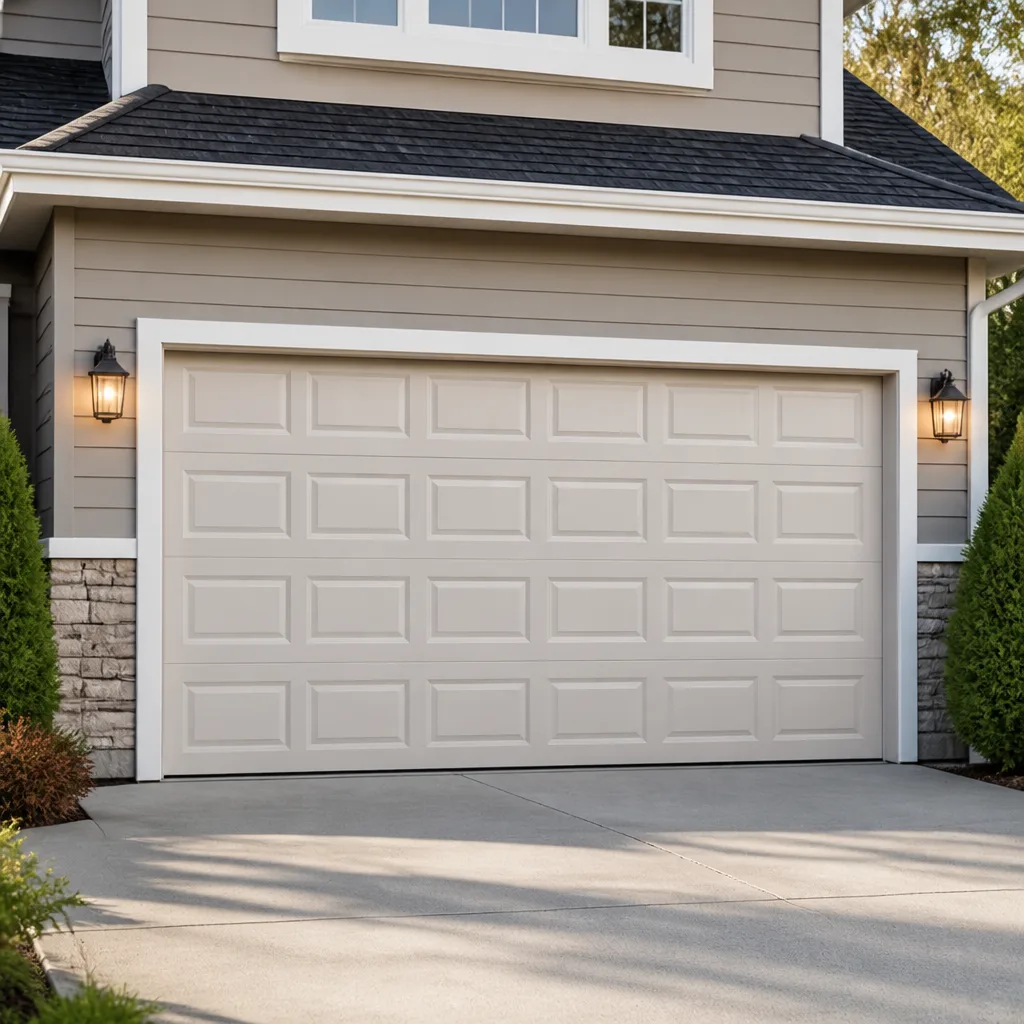 Raised-panel steel
 Carriage house
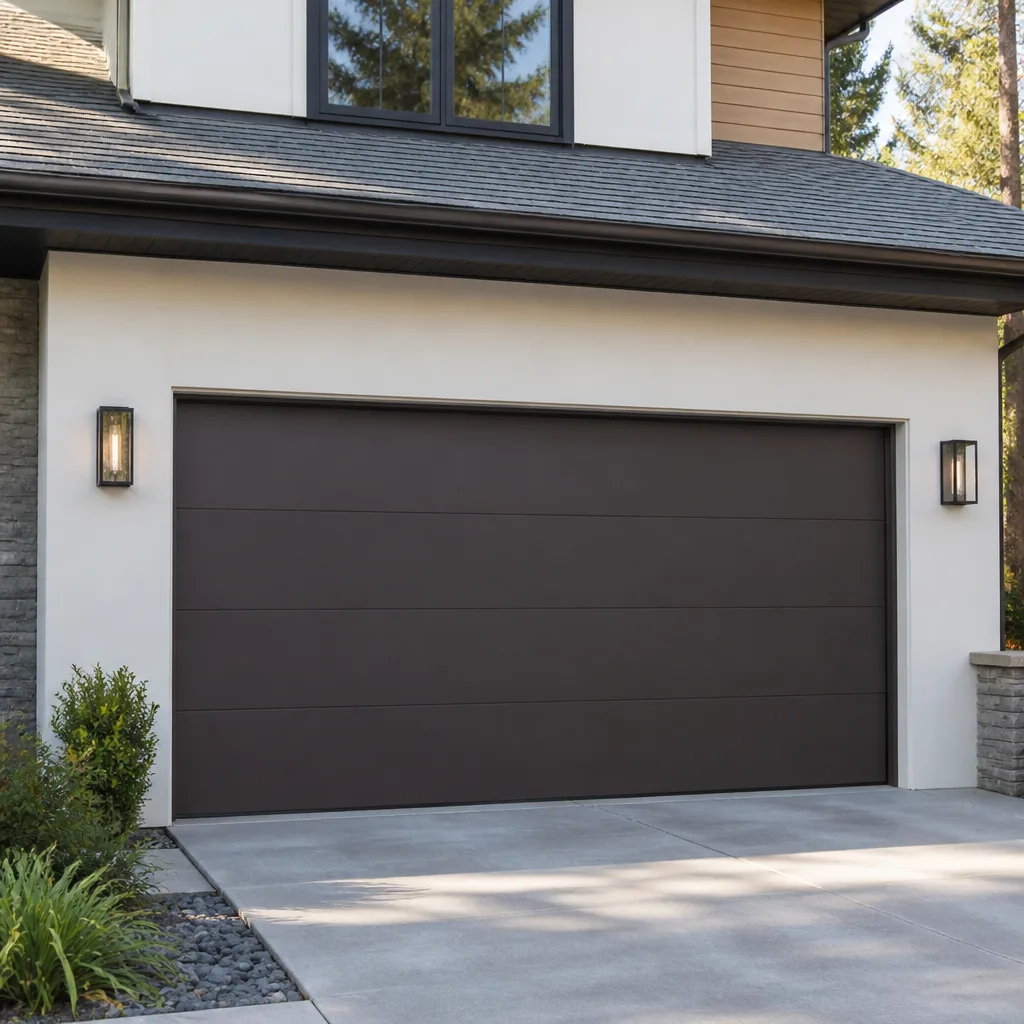 Modern flush
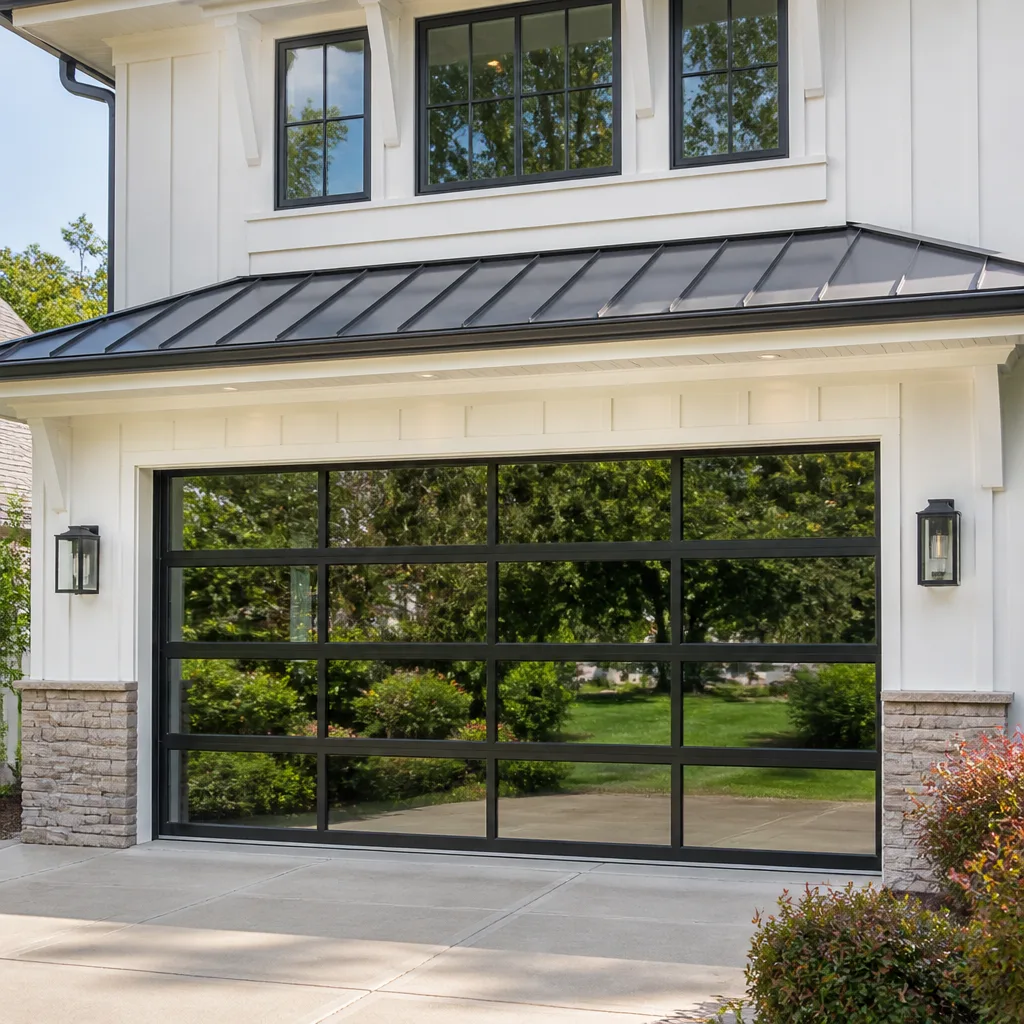 Full-view glass
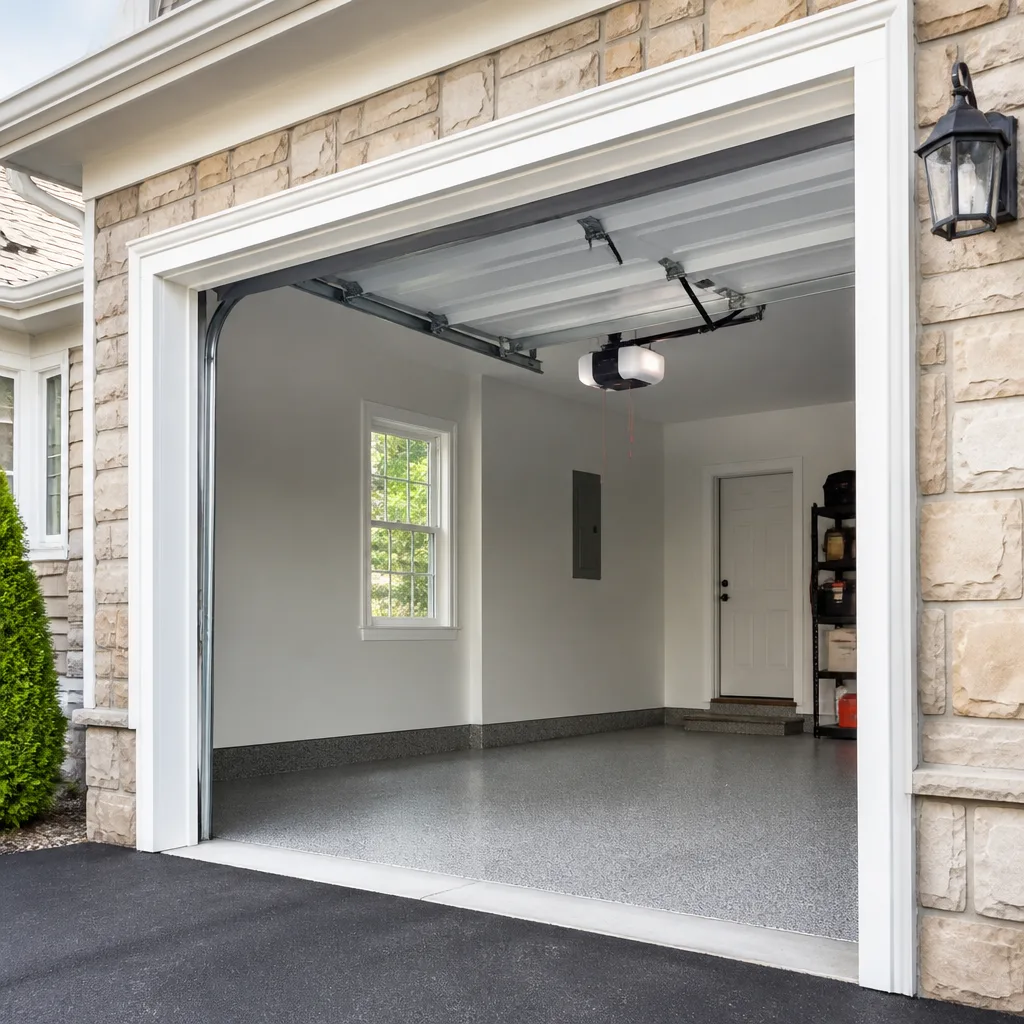 LiftMaster openers
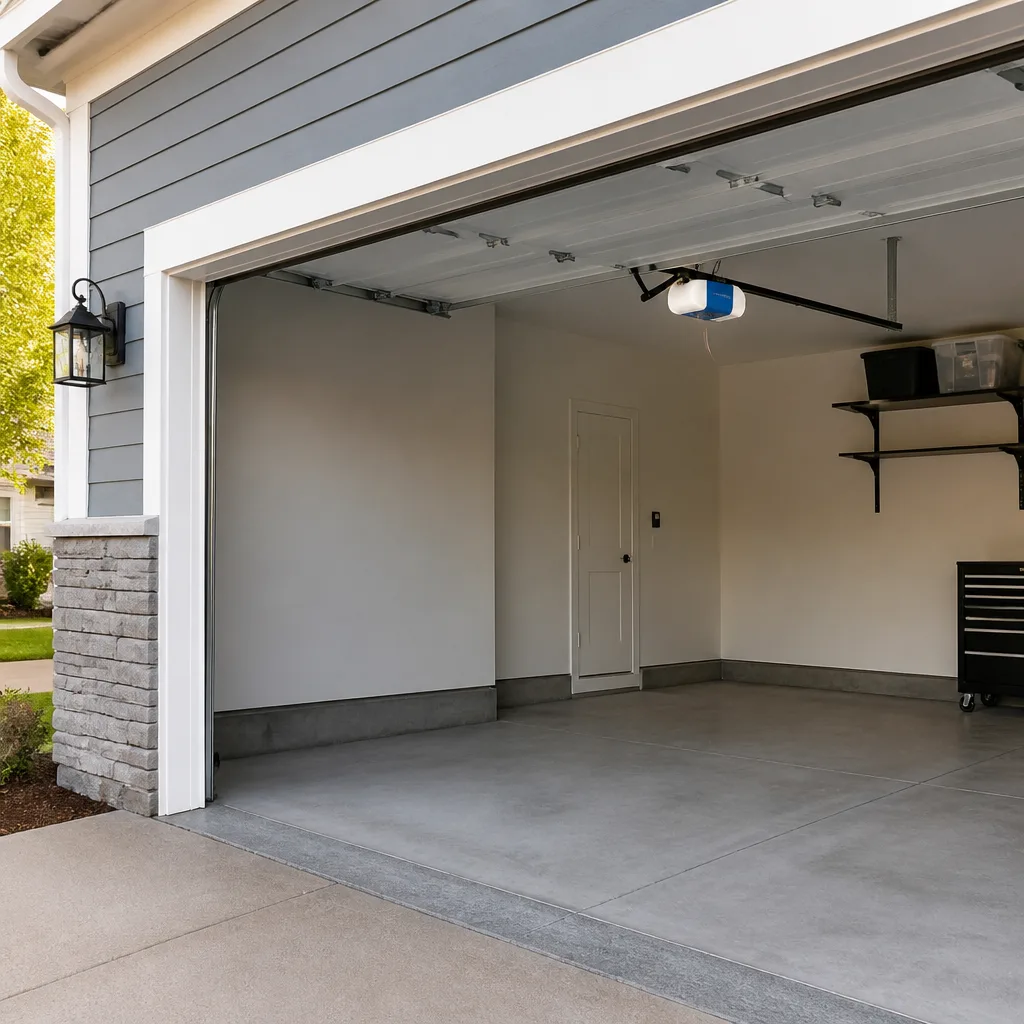 Chamberlain openers
Full 25-point door and opener safety check with every visit - springs, cables, rollers, tracks, and your LiftMaster or Chamberlain opener included
You get a price before we start. It does not change when the pro arrives.
Get your free estimateDIY vs Professional Garage Door: The Newton Homeowner’s Decision Guide
Most garage door advice online splits into two useless camps. One says you can fix anything yourself with a screwdriver and a video. The other says never touch the door, call a pro for everything, including a remote battery. Both are wrong, and neither helps a homeowner in Newton decide what’s actually safe. Here’s the uncomfortable truth: torsion spring replacement is the one garage door task where “I watched a tutorial” has put people in the emergency room. A wound torsion spring holds stored rotational energy roughly comparable to a loaded crossbow at close range. This guide draws the line honestly: which tasks any capable Newton homeowner can do, which are risky but doable, and which are professional-only.
Quick Answer
Some garage door work is genuinely safe to do yourself; some is not. Weatherseal replacement, lubrication, sensor alignment and remote programming are DIY-friendly. Spring replacement, cable work and full door installation require a trained professional because of stored mechanical energy and code requirements. The dividing line isn’t confidence or budget. It’s physics and permit rules, and those don’t negotiate.
Styles & brands we work with
- Raised-panel steel
- Carriage house
- Modern flush
- Full-view glass
- LiftMaster openers
- Chamberlain openers
Table of Contents
- The Three-Tier Task Classification
- The Physics of Torsion Spring Danger
- Newton Permits and Contractor Requirements for DIY Work
- The Honest Cost Comparison
- How to Be a Productive Collaborator With Your Contractor
- Brand Knowledge and New England Weather
- Common Mistakes to Avoid
- Frequently Asked Questions
The Three-Tier Task Classification
Not every repair carries the same risk. We’ve watched homeowners in Newton attempt a spring swap with a crescent wrench while assuming a sensor clean-up was just as dangerous. Sorting tasks by real risk is the first step to a sensible decision.
Tier 1: DIY-Safe Tasks
These jobs involve no stored mechanical energy, no electrical hazard, and no permit trigger. Any capable homeowner can handle them with basic tools and a bit of patience.
- Replacing the bottom weatherseal (a rubber strip, no tension in it)
- Lubricating rollers, hinges and tracks with a proper garage door lubricant
- Aligning or cleaning safety sensors when the door reverses or won’t close
- Programming remotes and keypads
- Tightening hinge bolts and roller brackets that work loose
- Clearing debris from tracks and wiping them down
- Replacing the opener’s battery backup
These tasks typically take 30 – 90 minutes and cost under $30 in parts. If the door just started acting up after a cold snap, a sensor alignment or lubrication pass often fixes it for the price of a can of lubricant.
Tier 2: DIY-Risky Tasks
These involve cables under tension, heavy panels, or alignment work where a mistake sends the door off-track. They’re not automatically lethal, but they’re a bad first DIY project. Cable work on a torsion system is genuinely dangerous, because cables hold the door’s weight and can snap back with force. Track realignment on a door that’s out of level can drop a panel on fingers or toes.
If the door is heavy, unbalanced, or making grinding noises, stop. The next step is professional.
Tier 3: Professional-Only Tasks
These are non-negotiable: springs (both torsion and extension), cable replacement, full door installation, and any electrical work inside the opener housing or a wall control circuit. These jobs carry real injury risk and often trigger permit requirements. This is where garage door spring repair belongs, and it’s exactly the work we handle in-house rather than refer out.
The Physics of Torsion Spring Danger
Telling a homeowner “springs are dangerous” is easy. Explaining why is what most guides skip. Here’s the actual picture. A standard residential torsion spring takes the full weight of the door (often 150 – 250 pounds for a single-car door, more for a double) and holds it in suspension through a wound coil. When the spring is properly tensioned, it stores enough rotational energy to lift that door with a quarter turn of the opener. When it fails, that stored energy releases in a fraction of a second.
Think of a bow and arrow. A drawn bow holds energy you’ve stored in a bent limb. Cut the string, and it releases. A wound torsion spring is the same idea, except the “limb” is steel under hundreds of pounds of load and the failure release is sharp and unpredictable. You can’t see the stress fracture inside the coil. You can’t feel how much tension is left by looking at it. And when a spring fails in front of someone standing on a ladder with a winding bar, the bar becomes a projectile.
Why DIYers Get Hurt
- They use the wrong winding bars. A screwdriver or a pipe is not a winding bar and will slip or bend.
- They attempt to unwind a spring that’s still under load, not knowing how to safely de-tension it.
- They remove the door from the tracks without a proper winding procedure, and the door drops.
- They don’t know whether the door has one spring or two, and matched pairs must be replaced together.
- They use hardware-store springs of the wrong size, which fail sooner and sometimes catastrophically.
If you take one thing from this guide: do not attempt a spring replacement yourself. Not because we don’t think you’re capable, but because the load doesn’t care about capability. Call us or another trained pro. We do this work with tools designed for it.
Newton Permits and Contractor Requirements for DIY Work
This is where most DIY-vs-pro guides go silent. Permit rules vary by city, and Newton is no exception. Here’s the plain-English version.
What Usually Needs a Permit
Replacing the entire garage door is often treated as an alteration to the structure, and most cities require a building permit for that. Electric opener installation or replacement of an opener on a new circuit typically requires an electrical permit. Like-for-like part swaps (a spring, a roller, a weatherseal) usually do not trigger a permit. Confirm with Newton’s building department before you start, because the rules are written by the city, not by your contractor or by this guide.
What “HIC” Means Here
Massachusetts requires Home Improvement Contractors (HICs) to register with the state, and any project over a certain threshold should be performed by a registered HIC working under a written contract. This applies to garage door installation and larger repair jobs. If you’re hiring someone, ask to see their HIC registration. A legitimate contractor produces it without hesitation.
The Resale Inspection Risk
If work was done without a required permit, a buyer’s home inspection or the city’s resale process can flag it. That doesn’t always mean a problem (unpermitted work isn’t automatically unsafe), but it can delay a sale, require a retroactive permit, or trigger a re-inspection fee. Unpermitted electrical work on an opener is the one that gets noticed most often, because a home inspector who sees a tapped junction box will write it up.
When we install a door in Newton, we can tell you which permits the city typically wants and work with you to get them pulled. We don’t skip that step to save a few dollars.
The Honest Cost Comparison
The right question isn’t “how much can I save doing it myself.” It’s “what is the real total cost of each route, including the cost of getting it wrong.” Here’s the honest breakdown for common jobs. All figures are typical estimates for the Newton market; the written estimate sets the final price.
Spring Replacement (Professional-Only)
- Retail parts cost if you buy a spring yourself: $40 – $90 per spring, plus a pair of winding bars $20 – $40. That’s the cheap version. It’s also the one that puts people in the ER.
- Professional single-spring replacement: typically $180 – $340. A matched pair is usually replaced together and costs about twice that.
On paper, DIY looks like an $60 – $130 job versus a $180 – $340 professional job. In practice, the difference is a hospital bill and a door that may still be wrong. We don’t offer a discount to “supervise” a DIY spring job because the risk is real on both sides.
Opener Replacement (Mixed)
- Retail opener cost: $150 – $450 depending on model and smart features.
- Professional opener installation: typically $300 – $650 installed, including labor, tuning and safety sensor alignment.
Many homeowners can swap a legacy opener for a newer belt-drive unit, especially if they’re brand-familiar and comfortable with basic wiring. The catch is that opener replacement often reveals hidden issues (worn rollers, a door that’s out of balance, a sensor wire chewed by a squirrel). That diagnostic value is what a technician brings on the first visit.
Full Door Installation (Professional-Only)
- Professional install of a new door: typically $900 – $2,500 depending on door style, size and insulation, with the door cost itself often included.
- DIY kit cost: $400 – $1,200 plus risks. Panel order errors, header measurements, spring calibration and safety reverse adjustment are all steps most homeowners don’t want to attempt.
What the Cost Table Doesn’t Show
Three things to weigh that don’t fit in a spreadsheet. One: the diagnostic value of a first visit. A technician who knows your brand can spot a failing roller or a misaligned track before it turns into a spring failure. Two: the cost of a wrong part. A wrong-size spring fails early; a wrong opener board doesn’t fit. Three: your time. A spring job is 45 minutes for a trained tech and a research project for a homeowner. Weigh all three honestly before you decide.
How to Be a Productive Collaborator With Your Contractor
The homeowner who is easy to work with usually gets a better visit. Not because contractors reward nice people (though they do), but because preparation reduces labor time, and labor is what you’re paying for. Here’s how to make the visit go smoother.
Before the Visit
- Clear the garage floor under and around the door. Sweep the bays, move the bikes, stack the boxes. A technician who can walk the whole door in two minutes instead of twenty saves you real time.
- Test what you can. Does the door balance halfway up? Does it reverse when you put a box under it? Does the wall control work? Write down what you find.
- Note the brand. On the door, the opener housing, or the wall control you’ll usually find a sticker. LiftMaster, Chamberlain, Genie, Clopay, Amarr, Wayne Dalton, Craftsman and Raynor are the ones we know cold.
- Have the model numbers ready if you can find them. Year of the house also helps.
- Think about what you want to happen. Fix it, or replace it? A technician who knows your goal can advise on both.
During the Visit
- Point out any noises or behaviors you’ve noticed, even if they seem minor.
- Ask what they’re doing and why. A good tech explains it.
- Get the written estimate before any work starts, and ask what the final price includes.
- If a spring or opener job is being quoted, ask which brand fit the tech recommends and why.
After the Visit
Keep the written estimate and any warranty paperwork. If anything is off in the first week, call back. A professional will want to make it right, and the best check on a job is a homeowner who noticed something.
Brand Knowledge and New England Weather
Newton’s weather is a factor in every garage door decision, and it’s usually absent from DIY-versus-pro advice. New England sees real temperature swings: summers that push 90°F, winters that dip below zero, and freeze-thaw cycles that work hardware loose. Springs lose tension as temperatures drop. Rollers stiffen. Weatherseals go brittle. A door that closes quietly in July can start reversing or making noise in January, and the cause is often neither the spring nor the opener but a weatherseal that’s dried out or a track that’s shifted a quarter inch with frost heave.
It’s also worth knowing your own brand. We work on the whole spectrum, from mechanical doors (Amarr, Wayne Dalton, Clopay, Raynor) to the smart-opener side (LiftMaster, Chamberlain, Genie, Craftsman). Brand-specific knowledge isn’t a talking point. It’s what lets us diagnose a Chamberlain opener that’s losing its remote pairing or a Wayne Dalton door that’s out of balance, without trial-and-error swapping of parts.
If you’re not sure which brand you have, that’s fine. A photo of the opener and the door label is enough for us to tell you on a call. When you need garage door repair in Newton, the brand question is the first thing we sort out, because it determines the parts, the tools, and the time.
How to Decide: A Short Decision Framework
Here’s the framework we’d give a friend. Start with the task itself, then layer in what you’re actually comfortable with.
- Identify the task. Use the three-tier classification earlier in this guide. If it’s a spring, cable, full install or electrical, stop here.
- Check for permit triggers. New door, new opener, new circuit? Call Newton’s building department. It takes five minutes and saves five weeks.
- Assess your tools. Winding bars, a tension gauge, a drill with the right bits. If you don’t own them, the DIY math changes.
- Assess your time. A two-hour DIY job done in one afternoon is a win. A two-hour job done across four weekends is not.
- Assess the blast radius. If this goes wrong while the door is mid-cycle, is anyone in the path? A door that drops on fingers is a billable emergency.
- Weigh the diagnostic value. A technician’s first visit isn’t just labor, it’s an inspection that catches what you’d miss.
- Decide and get it in writing. If you hire, get the price before work starts.
When to Call a Professional
Some situations have a clear answer. Call a trained professional when the door is under load (springs, cables, torsion system), when the door won’t balance, when the opener hums without moving, when panels are bent or out of alignment, when the door is heavy to lift by hand, or when you’re installing a new door. We also recommend calling when you’re not sure: a diagnostic visit is cheaper than a wrong guess. Newton Garage Door Repair Co offers free estimates in Newton. Call (877) 362-5143. We answer 24/7. Fast dispatch from 7am to 7pm, Sunday through Friday. We work on your brand, and we handle the risky jobs in-house because they demand real specialization.
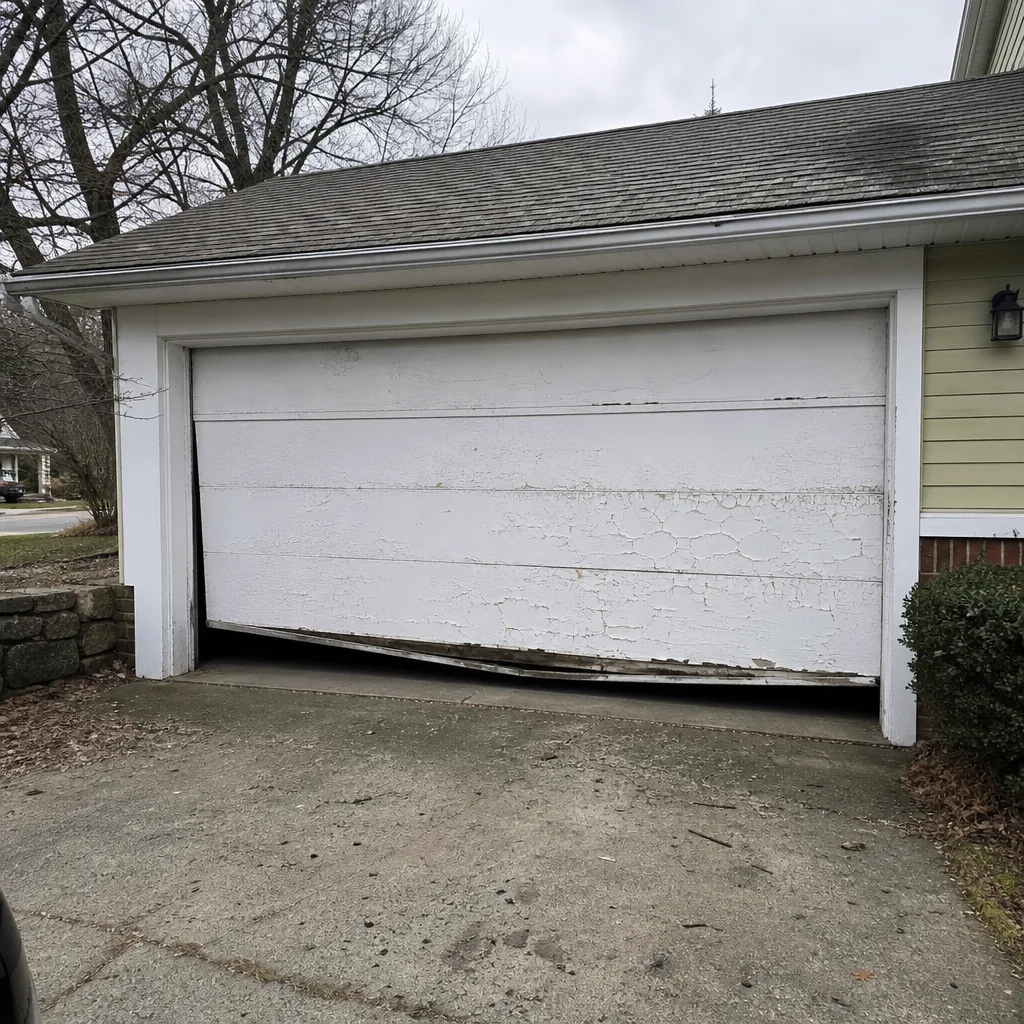
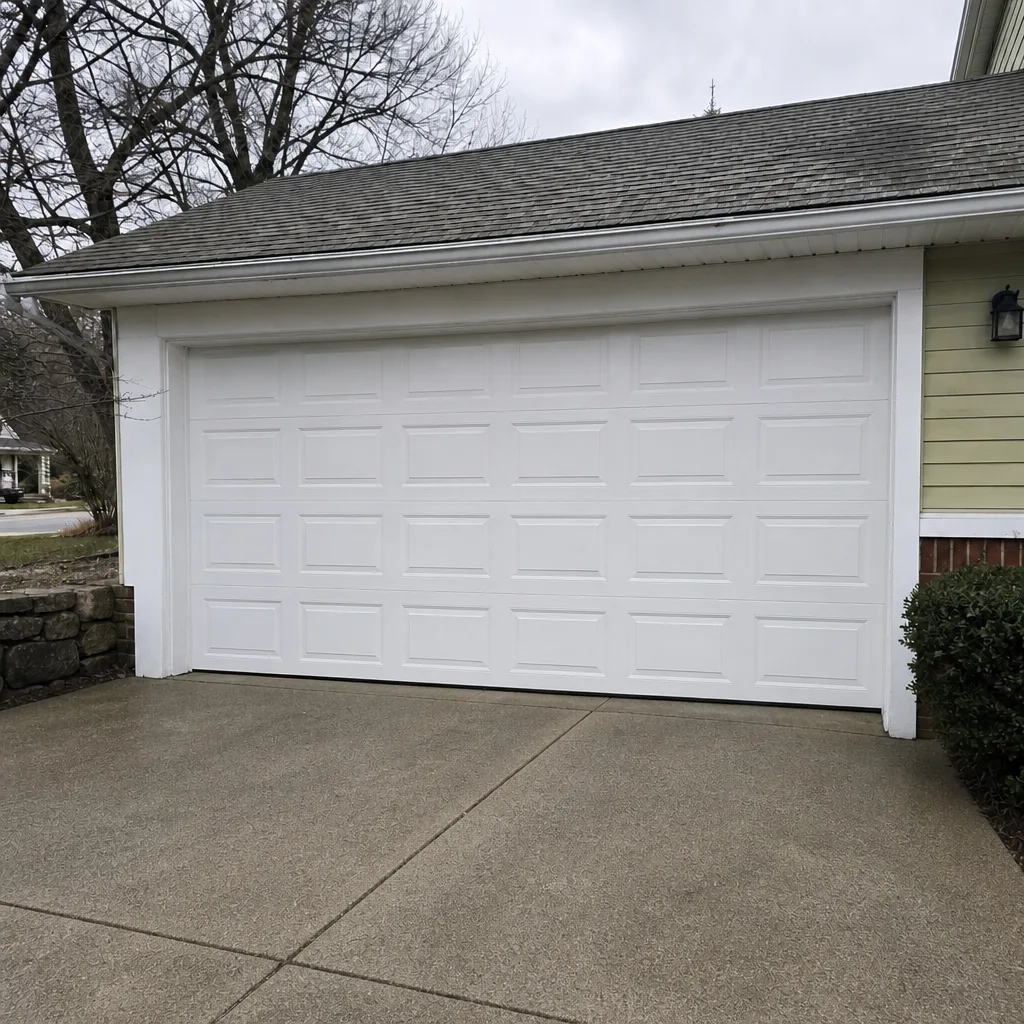
See the difference
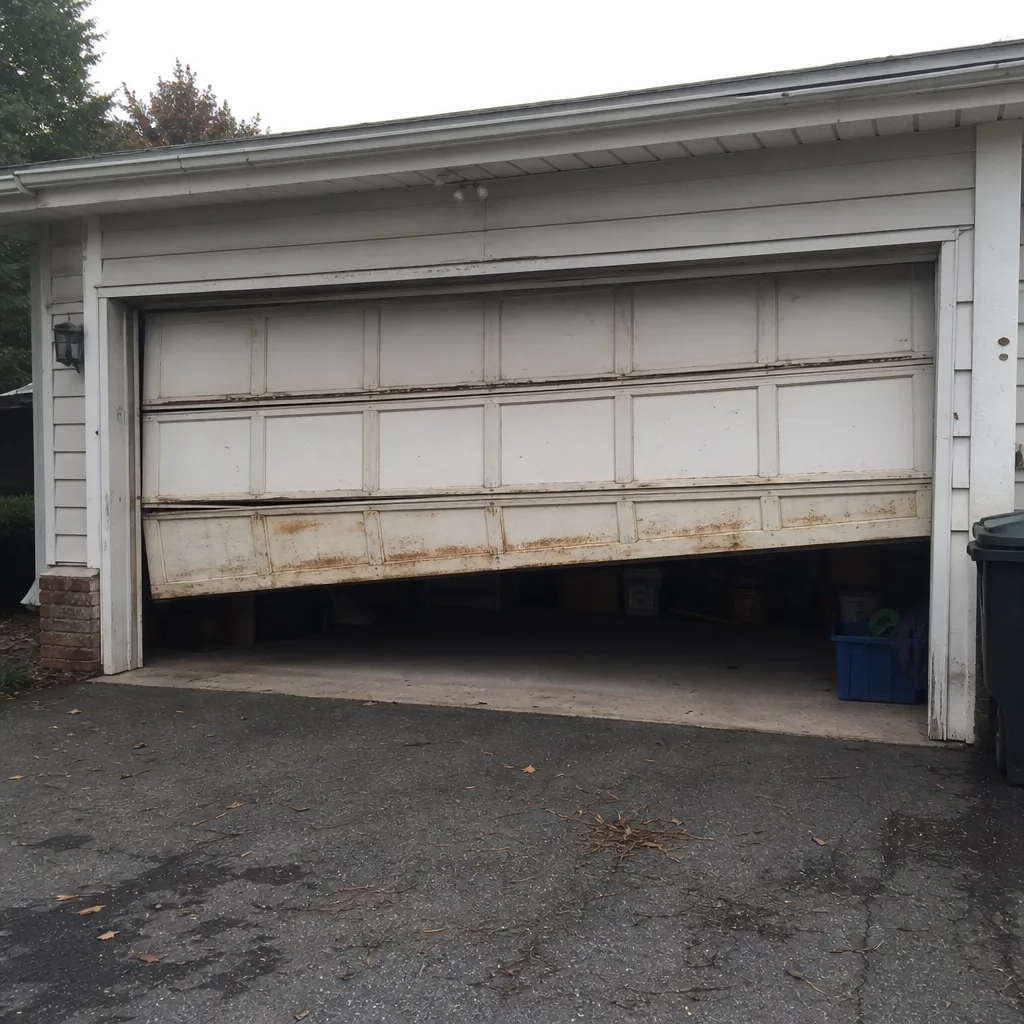 Before
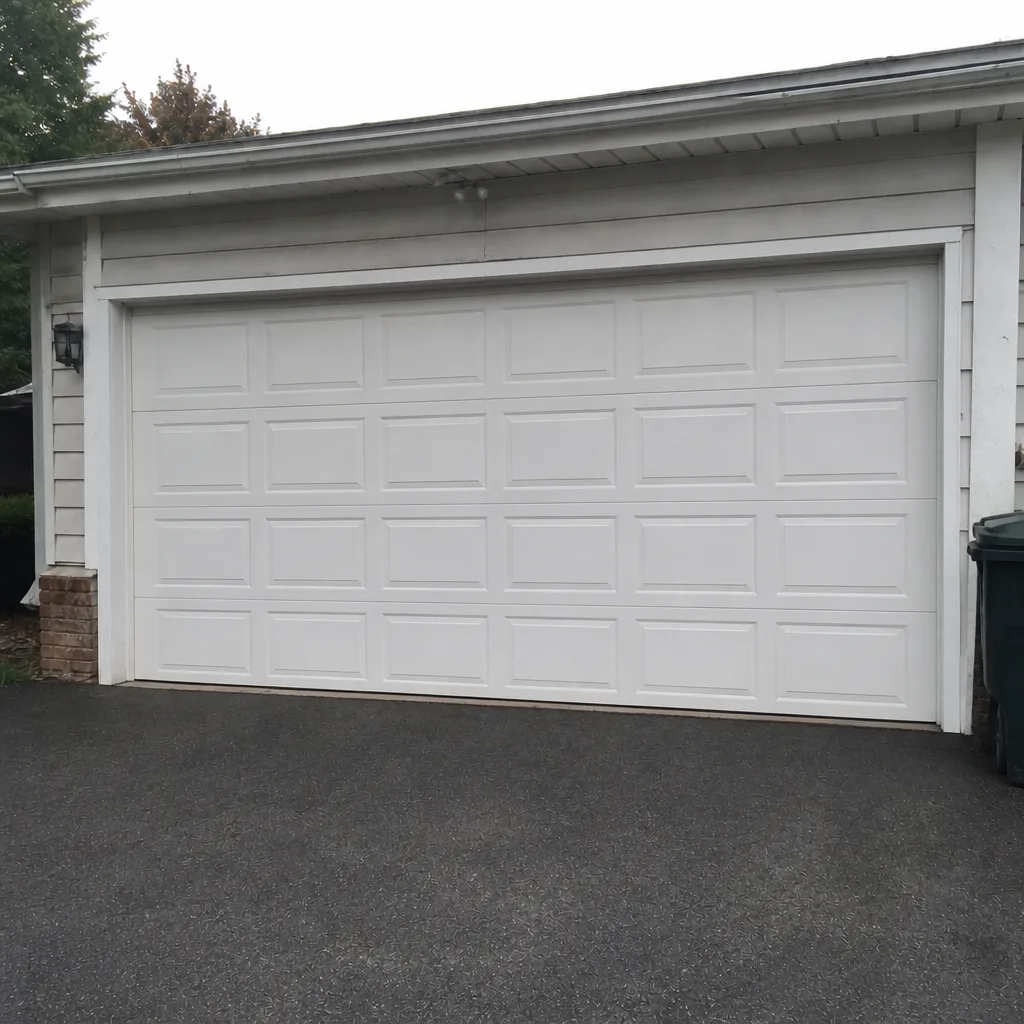 After
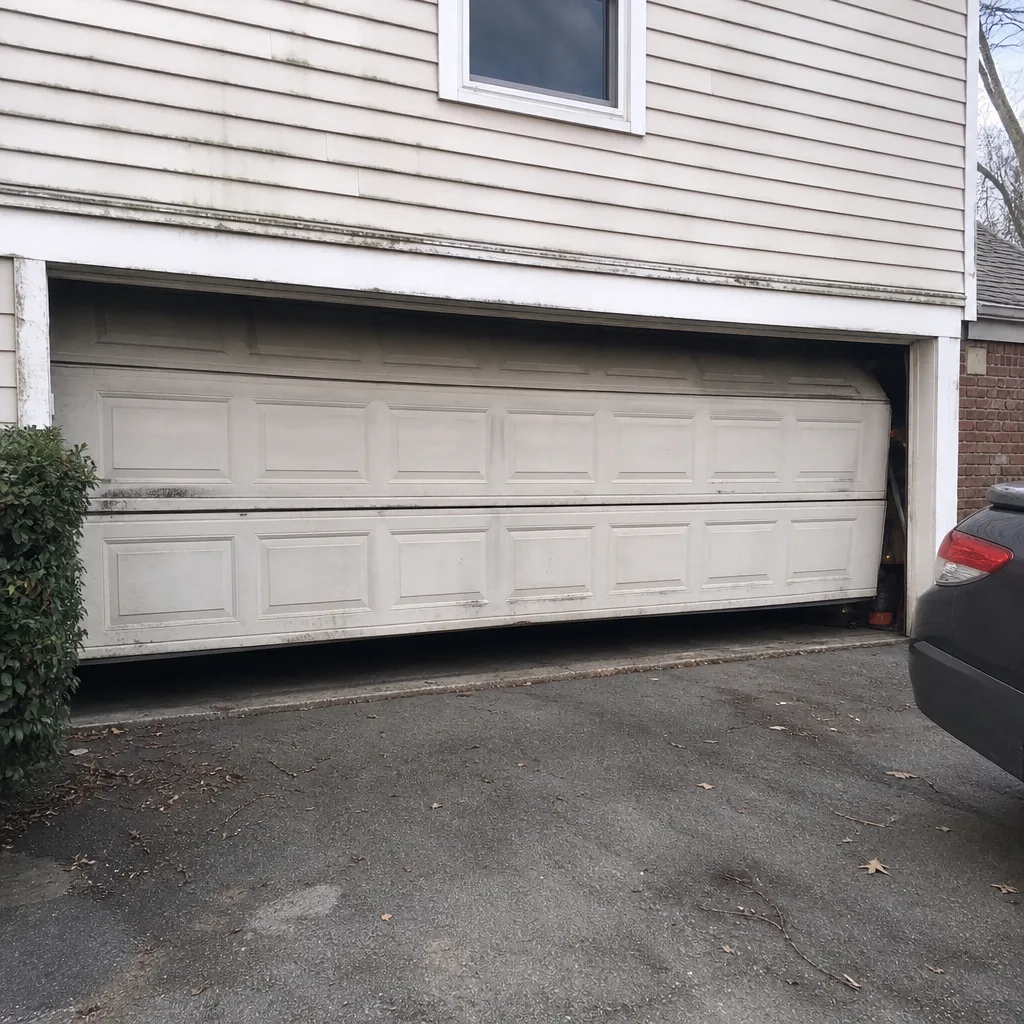 Before
 After
 Before
 After
Common Mistakes to Avoid
- Using a screwdriver as a winding bar. It’s the most common way DIYers get hurt on springs. A winding bar is a specific tool for a specific job, and a screwdriver is neither.
- Replacing one spring of a pair. A matched pair wears together, so replacing one leaves a lopsided system that fails early. A pair is usually replaced as a pair, and that roughly doubles the price. Skipping the second spring is a false economy.
- Forgetting the Newton permit question. Homeowners who skip the permit on a new door often find it flagged during resale inspection. Ask the city’s building department before you start.
- Binding parts together with WD-40. Garage door tracks and rollers need a proper door lubricant. WD-40 attracts dust, which accelerates wear.
- Adjusting the opener’s force setting to hide a binding door. That “fix” forces the opener to fight the door and shortens its life. Find the real cause.
- Installing an opener without testing the safety reverse. The safety reverse is the one setting most worth getting right, because it stops the door on a child or pet. Test it after every install or adjustment.
- Hiring the first quote without asking for the HIC registration. Massachusetts HIC registration isn’t optional for larger jobs. Ask for it and check the number.
Frequently Asked Questions
No, we don’t recommend it. Torsion springs store enough energy to cause serious injury, and the tools and procedure are not something a first-time DIYer can safely improvise. Call a trained technician for this one; it’s the clearest professional-only task in the whole garage door system.
Weatherseal replacement, lubrication, safety sensor alignment, remote programming, tightening loose hinge bolts and clearing tracks are all DIY-safe. None of them involves stored mechanical energy, electrical hazard or a permit trigger. If the problem is a loud noise, a door that won’t balance, or a spring that won’t hold, bring in a pro.
Most cities, and Newton is no exception, treat a full door replacement as an alteration to the structure that requires a building permit. A like-for-like part replacement usually does not. Check with Newton’s building department before you start, because permit rules are written by the city and updated over time.
A typical single-spring replacement in Newton runs about $180 – $340. Because matched pairs are usually replaced together, a pair costs roughly twice that. The written estimate sets the final price, and we do not quote a range that ignores the second spring. Call (877) 362-5143 for an exact quote; estimates are free.
We wouldn’t recommend it. A full door install involves panel order accuracy, header measurements, spring calibration and safety reverse adjustment, and it’s a permit-triggering job in Newton. The savings over a professional install rarely cover the risk of a wrong-size panel or a miscalibrated spring. The written estimate is the price, and it includes the steps most DIY kits skip.
No, if you’ve had the door inspected and the estimate written first. We quote the price per job and both sides agree to it before any work starts. If we find something the initial inspection missed, we tell you before we touch it. You’ll never get a surprise invoice for a repair you didn’t approve. Call (877) 362-5143 and we’ll walk you through garage door opener repair or spring work on the phone.
The Bottom Line
The DIY-versus-professional line for garage doors isn’t about confidence. It’s about stored energy and permits. Weatherseals, lubrication, sensor alignment and remote programming are yours to do; do them well. Springs, cables, full installations and any electrical work belong to a trained professional, and there’s no version of the math where a homeowner with a screwdriver is safer or cheaper on a torsion spring. Newton’s permit rules add a second reason: unpermitted work can surface during resale and cost you more than the professional job would have. Get the price in writing, get the brand matched to the part, and get it done right the first visit. If you’re ready to talk it through, call Newton Garage Door Repair Co at (877) 362-5143 for a free estimate. We answer 24/7. Fast dispatch from 7am to 7pm, Sunday through Friday.
Written by the team at Newton Garage Door Repair Co.