
Last updated November 23, 2026
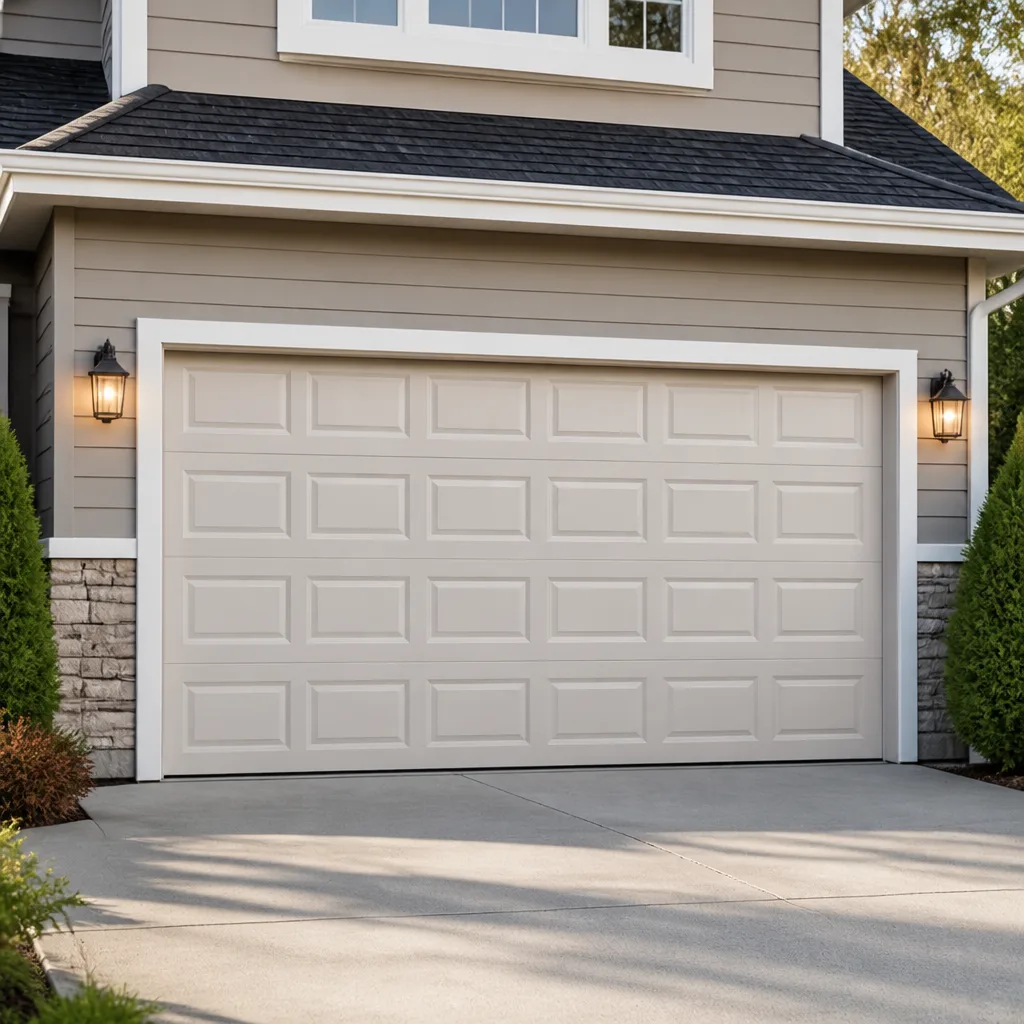 Raised-panel steel
 Carriage house
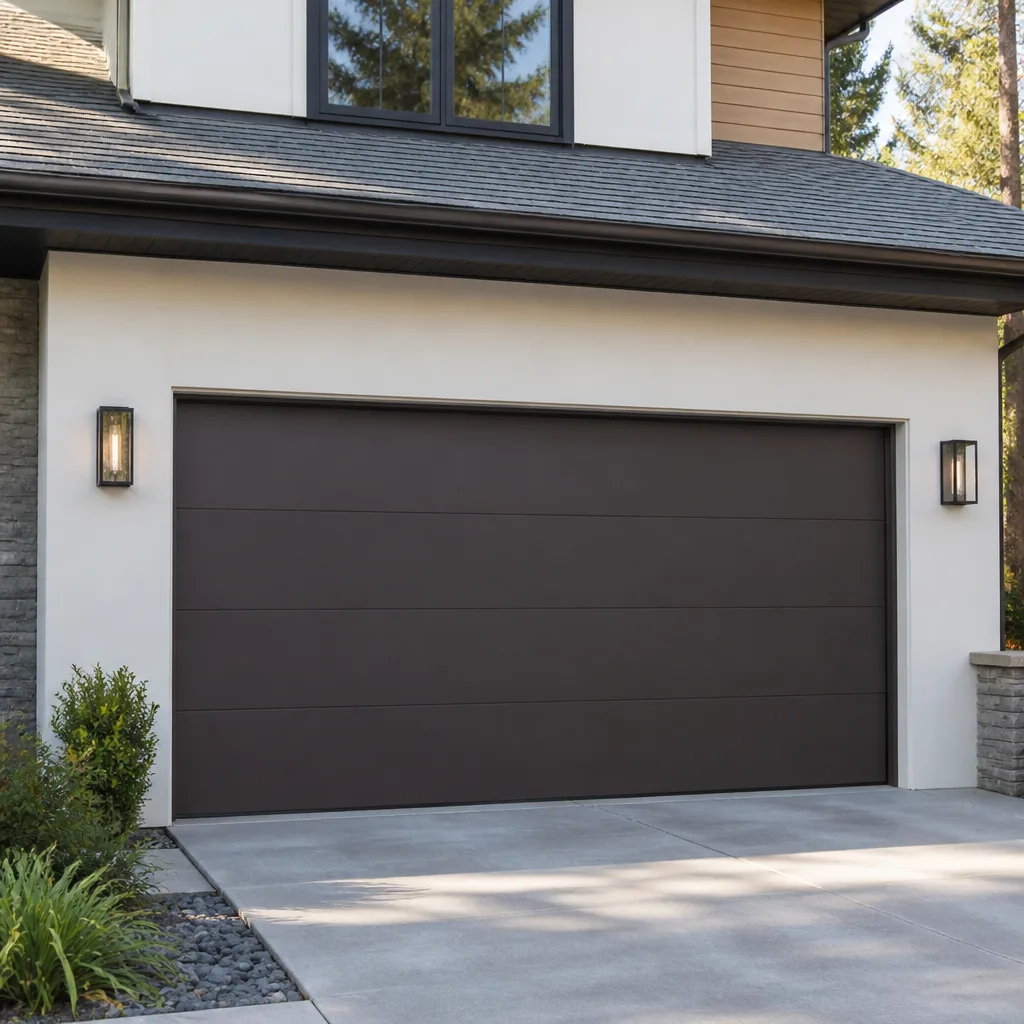 Modern flush
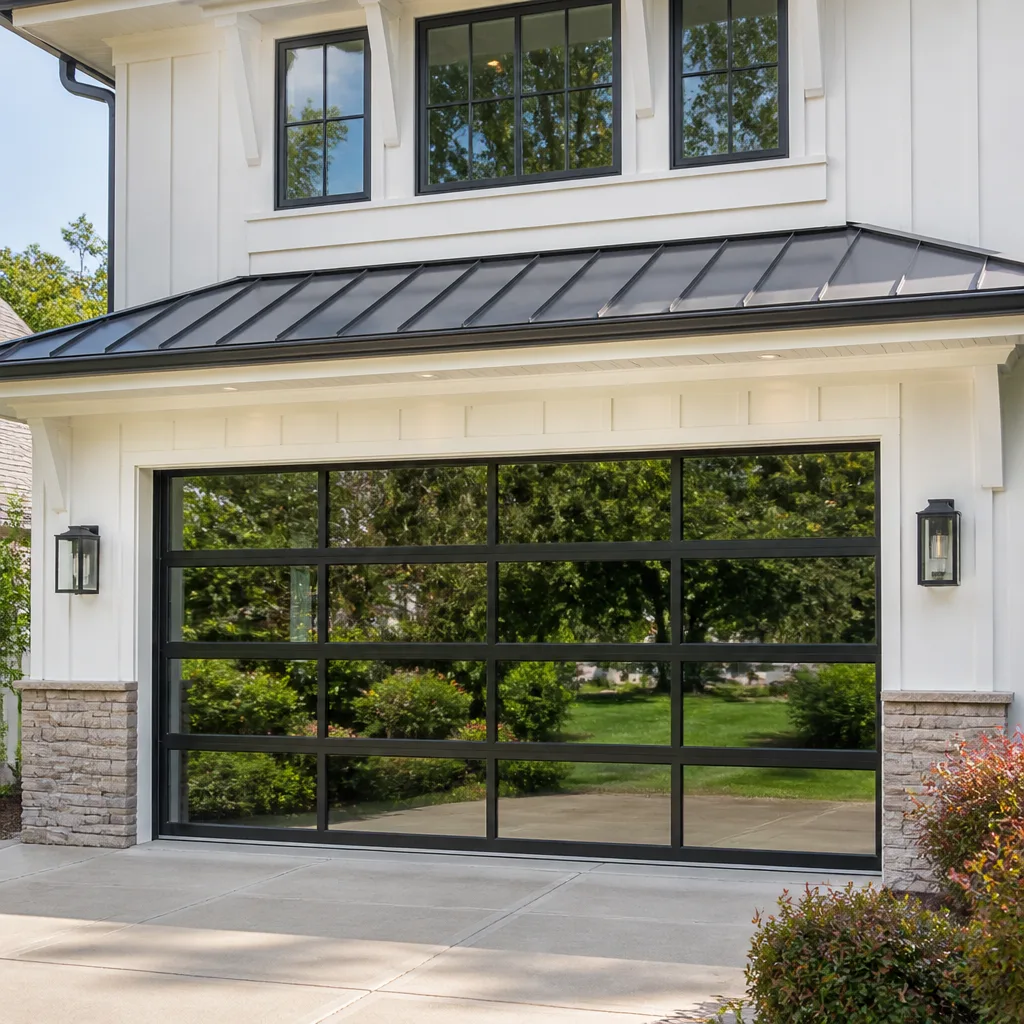 Full-view glass
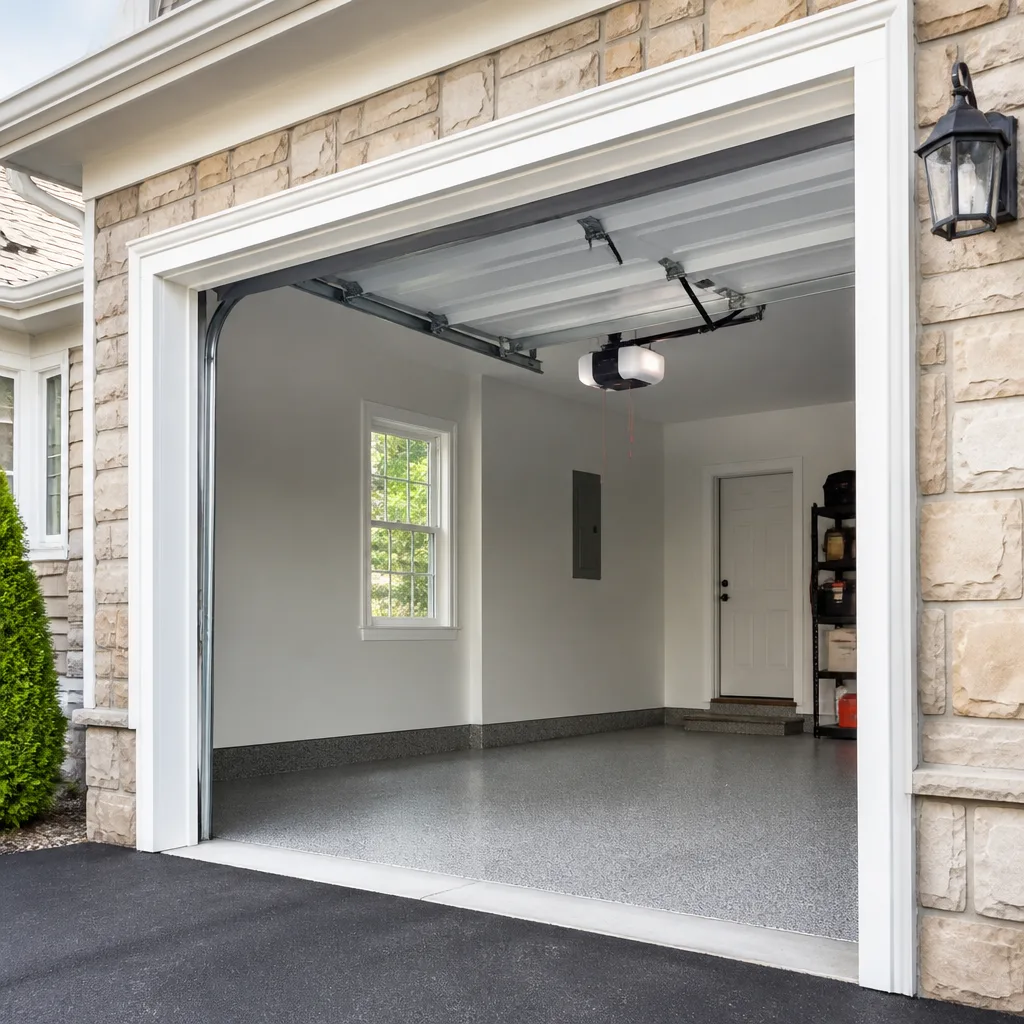 LiftMaster openers
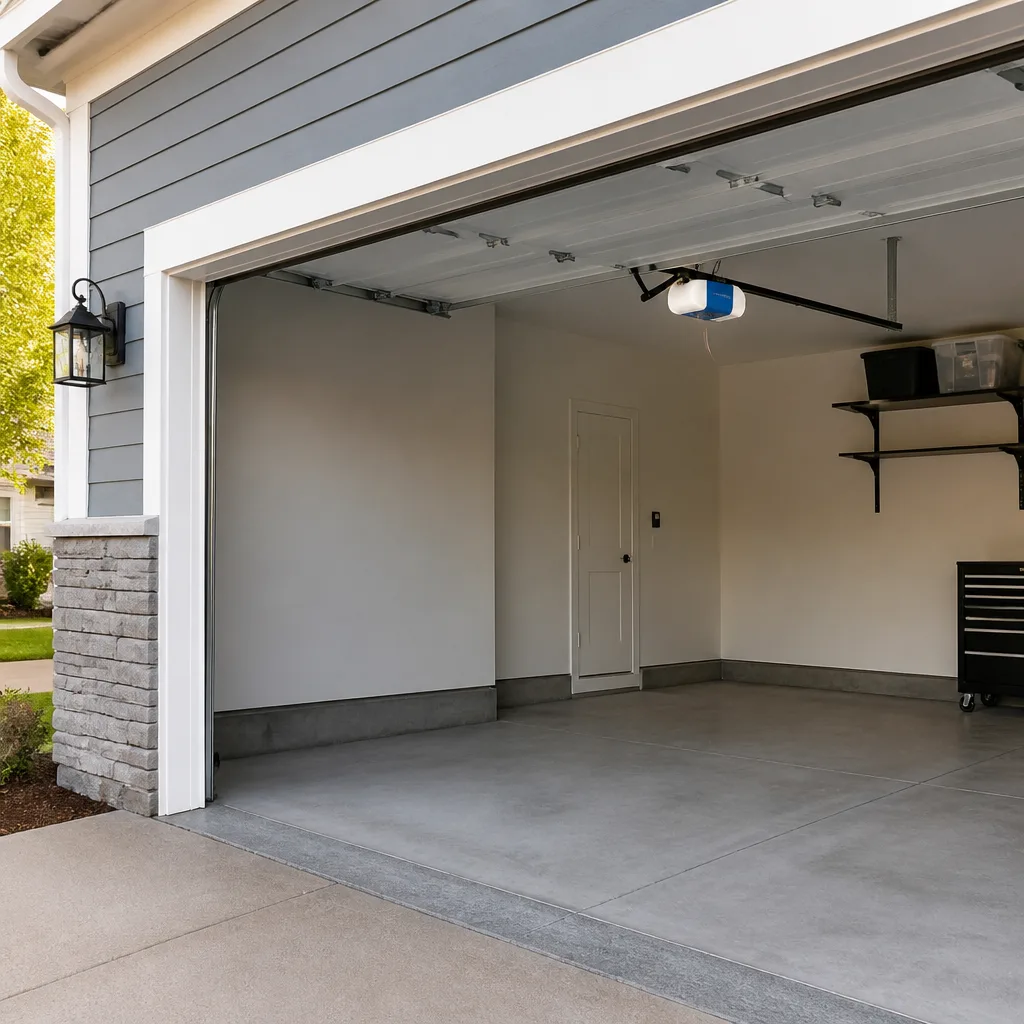 Chamberlain openers
Full 25-point door and opener safety check with every visit - springs, cables, rollers, tracks, and your LiftMaster or Chamberlain opener included
You get a price before we start. It does not change when the pro arrives.
Get your free estimateSeasonal Garage Door Care for Newton: Year-Round Homeowner’s Guide
Most homeowners in Newton assume spring is the big garage door maintenance month. It isn’t. October is. The work you do before the first hard freeze settles in is what determines whether January brings a smooth-running door or a snapped cable and a car stuck inside. Winter is when the damage shows up, but fall is when it gets prevented. Newton’s four seasons each stress a garage door in a different way, and each one calls for its own short list of tasks rather than a generic checklist recycled twelve months a year. This guide walks through all four in order, with the specific parts to inspect, the products to use, and the signs that a job belongs with a trained technician.
Quick Answer
Seasonal garage door care in Newton means matching maintenance to the season that’s actually causing the wear. In fall, replace worn weatherseals and switch to a cold-rated lubricant before temperatures drop. In winter, never force a frozen door open. In spring, audit tracks, hardware, and springs for damage left by frost and road salt. In summer, watch wood panels for heat expansion and torsion springs for humidity-driven calibration drift. One short maintenance pass each season prevents most emergency calls.
Styles & brands we work with
- Raised-panel steel
- Carriage house
- Modern flush
- Full-view glass
- LiftMaster openers
- Chamberlain openers
Table of Contents
- Fall: The Pre-Freeze Protocol
- Winter: When the Door Freezes Shut
- Spring: The Post-Winter Damage Audit
- Summer: Heat, Humidity, and Older Wood Doors
- The Seasonal Reference Card
- Common Mistakes to Avoid
- When to Call a Professional
- Frequently Asked Questions
Fall: The Pre-Freeze Protocol
Fall is the season that earns its keep. Every task on this list is cheaper and easier now than it will be once the ground freezes and the air turns dry. Three systems deserve your attention before the first cold snap: the weatherseal, the moving hardware, and the cables.
Weatherseal replacement. The rubber or vinyl strip along the bottom of the door and around the frame is what keeps cold air, snow melt, and small pests out of the garage. A seal that’s cracked, flattened, or torn away from its retainer lets water sit against the door’s bottom section, and repeated freeze-thaw cycles work that moisture into the panel. Check the bottom seal by closing the door on a sheet of paper; if you can pull the paper out easily, the seal isn’t making contact and should be replaced. Side and top seals get the same look.
Lubricant switchover. Summer-weight lubricants get thick and gummy when the temperature drops. Before the cold arrives, wipe the old product off the hinges, rollers, and bearing plates and apply a cold-rated lubricant designed to stay fluid in freezing weather. A silicone-based or low-temperature lithium product is the usual choice. Never use grease on the tracks; it collects grit and turns into a paste. Tracks get cleaned, not greased.
Cable inspection. Cables contract in cold weather, and a cable with a frayed strand or a worn drum connection is far more likely to fail in January than in July. Look along each cable for kinks, broken wires, or rust at the drum. If you see any of that, stop using the door and have it looked at.
Fall Task Checklist
- Test the bottom seal with the paper method and replace it if it doesn’t grip.
- Inspect side and top seals for cracks or separation from the frame.
- Clean and relubricate hinges, rollers, and bearing plates with a cold-rated product.
- Wipe down and dry tracks; check for bends, dents, or debris.
- Look for frayed strands or rust on both cables.
- Test the auto-reverse safety feature with a small object on the floor.
- Confirm the wall-mounted opener control and both remotes work.
Winter: When the Door Freezes Shut
A frozen garage door is one of the most common winter calls we get in Newton. The sequence is always the same. A little snow melt runs under the bottom seal overnight, refreezes before morning, and bonds the door to the concrete. You hit the opener, nothing moves, and the natural instinct is to hit it again or to raise the force setting to push through.
Don’t. That instinct is what destroys opener drive gears. Garage door openers are rated to lift the door, not to break a bond to the ground. When the opener’s motor stalls against a frozen seal, the gear assembly takes the strain instead of the door, and a plastic or nylon drive gear can strip in seconds. Once that gear is gone, the opener spins freely and the door doesn’t move even after the ice clears.
If the door appears stuck, the safe sequence is:
- Stop pressing the opener button. Give it one attempt at most to confirm the door isn’t moving.
- Look for visible ice under the bottom seal. If you see it, don’t force anything.
- Use a broom or a plastic scraper to break the ice away from the seal once the weather allows.
- Never pour hot water on the door or use a metal tool on the seal. Hot water refreezes as a new sheet of ice, and metal tears the rubber.
- If the door still won’t lift after the ice is clear, the problem isn’t the freeze.
Hardware that’s been frozen and stressed should get a mechanical check once things warm up. In Newton, we see a version of the same thing every winter: a door that “worked fine before” that starts making new noises once the thaw sets in. That’s usually a roller, a hinge, or a bearing plate that took the load when the opener stalled.
We answer 24/7. Fast dispatch from 7am to 7pm, Sunday through Friday, and a call outside those hours is booked into the next opening. Call (877) 362-5143.
Spring: The Post-Winter Damage Audit
Spring is not the time to start maintenance. Spring is the time to inspect what winter did. In Newton, that inspection has a specific focus: track alignment, hardware corrosion from road salt, and torsion spring fatigue. All three are silent in the winter and only show up once the weather warms and the door gets used more.
Track alignment from frost heave. Frost heave is the ground lifting as it freezes and settling back down as it thaws. The slab under a garage door is not immune; it can shift by a fraction of an inch across a winter, and that’s enough to throw a track out of plumb. Run a level along each vertical track and check that the gap between the track and the door is even along its full height. A track that’s pinching at the bottom or spreading at the top drags on the rollers and strains the opener.
Corrosion on hardware. Road salt tracked into the garage finds hinges, rollers, and the bottom bracket faster than any other component. Look for white or rust-colored streaks along hinges and around the bottom of the door. Corroded rollers should be replaced; corroded hinges can often be cleaned and relubricated, but only if the pin still moves freely.
Spring fatigue. Torsion springs lose tension over time no matter what, but winter accelerates it by cycling the door in colder, drier conditions. A fatigued spring shows up as a door that feels heavy on the way up, doesn’t stay fully open, or drops the last few inches hard when you let go. If you see any of that, do not attempt to adjust the spring yourself. Torsion springs are under very high tension, and releasing that tension incorrectly can cause serious injury. This is the one part of the checklist where “call a trained technician” is the only correct answer.
Summer: Heat, Humidity, and Older Wood Doors
Summer is the quiet season for emergency calls in Newton, and that’s exactly why it’s the right time for the longest inspection of the year. Heat and humidity do slower, more subtle damage than a January cold snap, and they hit two specific things in Newton homes harder than anywhere else: older wood doors and torsion spring calibration.
Heat expansion on wood doors. Plenty of the older homes in Newton, particularly around Waban and Newton Highlands, still have wood garage doors. Wood expands in heat and shrinks in cold, and in summer that expansion shows up as panels that bow, jam in their frames, or rub against the seals. Check each panel for daylight at the seams, separation from the frame, and paint that’s blistering or peeling. Repainting the door in summer (when the wood is dry and expanded) prevents the cracking that opens the wood up to moisture in the fall.
Humidity and torsion spring calibration. Torsion springs are calibrated to a specific number of turns, and those turns are measured against the door’s weight. Wood picks up humidity and gets heavier in summer, which means the same spring that lifted the door cleanly in March now feels underpowered in August. If your opener sounds like it’s working harder or the door is slower to lift, that’s a sign the system is out of balance, not something wrong with the opener. An out-of-balance door gets diagnosed on site; the fix might be spring calibration or it might be worn cables, and guessing between them costs more than checking.
The Seasonal Reference Card
Here’s the single-page version. Print it, stick it on the wall inside the garage next to the wall control, and work down the list at the start of each season. Products are described by type rather than brand, since the door you already own is what we work on.
Fall (October)
- Weatherseal (bottom): test with paper method; replace if it doesn’t grip. Product type: rubber or vinyl bottom seal sized to the door’s bottom section.
- Weatherseal (side and top): inspect for cracks or separation. Product type: same material as bottom, cut to fit.
- Lubricant: wipe old product off hinges, rollers, bearing plates. Apply cold-rated silicone or low-temperature lithium.
- Tracks: clean with a rag; never grease. Check for bends and debris.
- Cables: look for fraying at the drum and rust along the length.
- Safety reverse: test with a small object on the floor.
Winter (December-February)
- Frozen door: one attempt on the opener, then stop. Clear ice with a broom or plastic scraper.
- Never: raise the force setting, never pour hot water, never use a metal tool on the seal.
- Post-thaw: listen for new noises and note them for the spring audit.
Spring (March-April)
- Track alignment: level against each vertical track; check for frosting-heave damage.
- Hardware: inspect hinges, rollers, bottom bracket for road salt corrosion.
- Springs: check for doors that feel heavy or won’t stay open. Never adjust yourself.
- Rollers: replace any roller that doesn’t spin freely.
Summer (June-August)
- Wood doors: check for bowed panels, jamming, and peeling paint. Repaint dry wood in warm weather.
- Balance test: disconnect the opener and lift the door halfway by hand. It should hold. If it drops or won’t stay, the system is out of balance.
- Opener noise: a new grinding or straining sound is a balance symptom, not necessarily an opener problem.
If you’d rather delegate the whole list, that’s what garage door repair visits are for, and a trained technician’s eye will catch things the checklist can’t. We work on the equipment our customers already own, including doors and hardware from Amarr, Wayne Dalton, and Raynor alongside every other major brand.
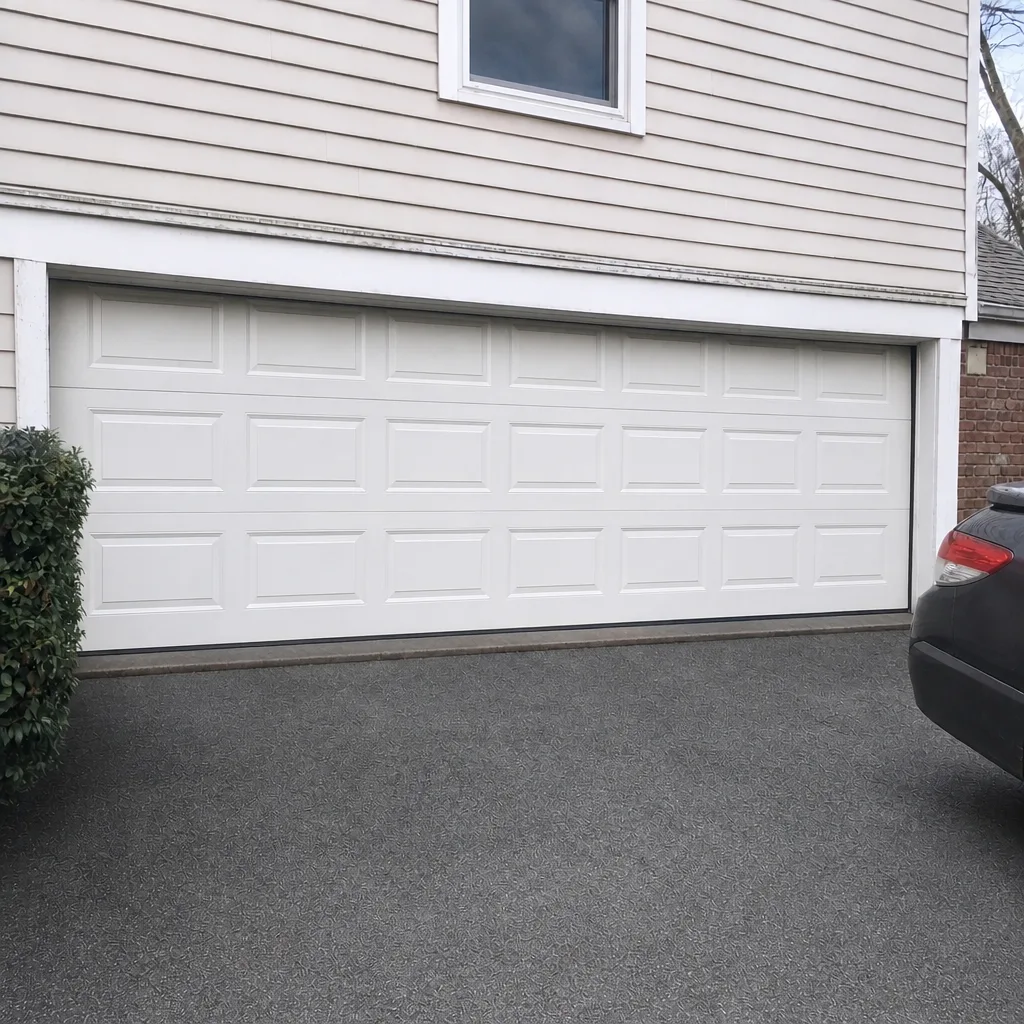
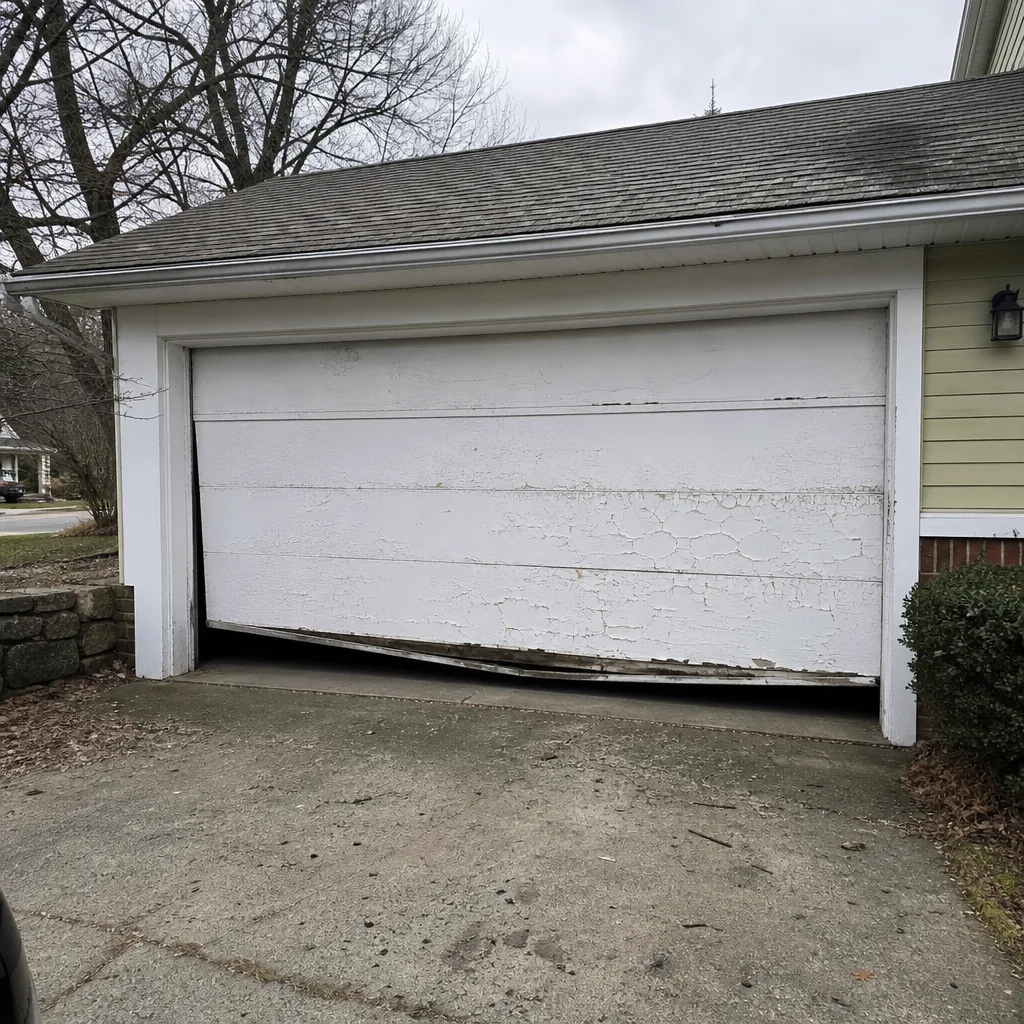
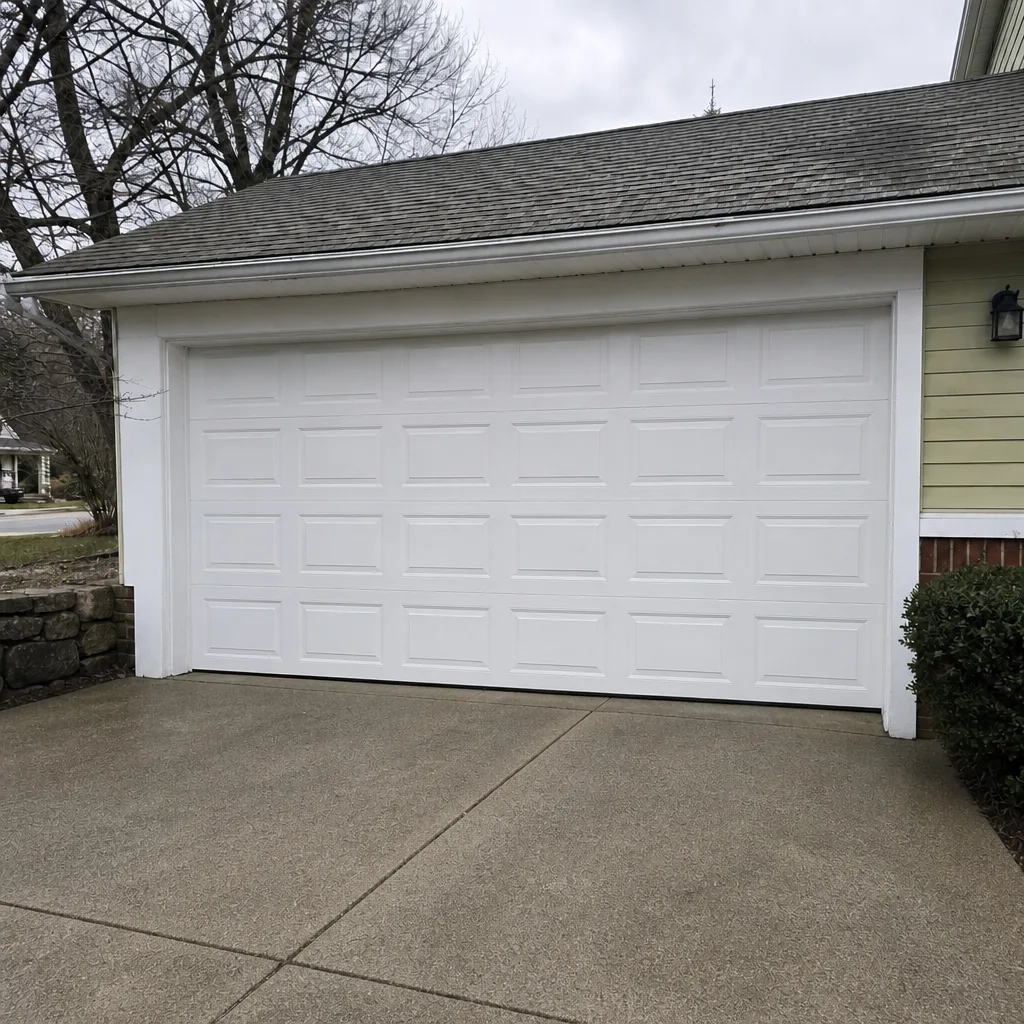
See the difference
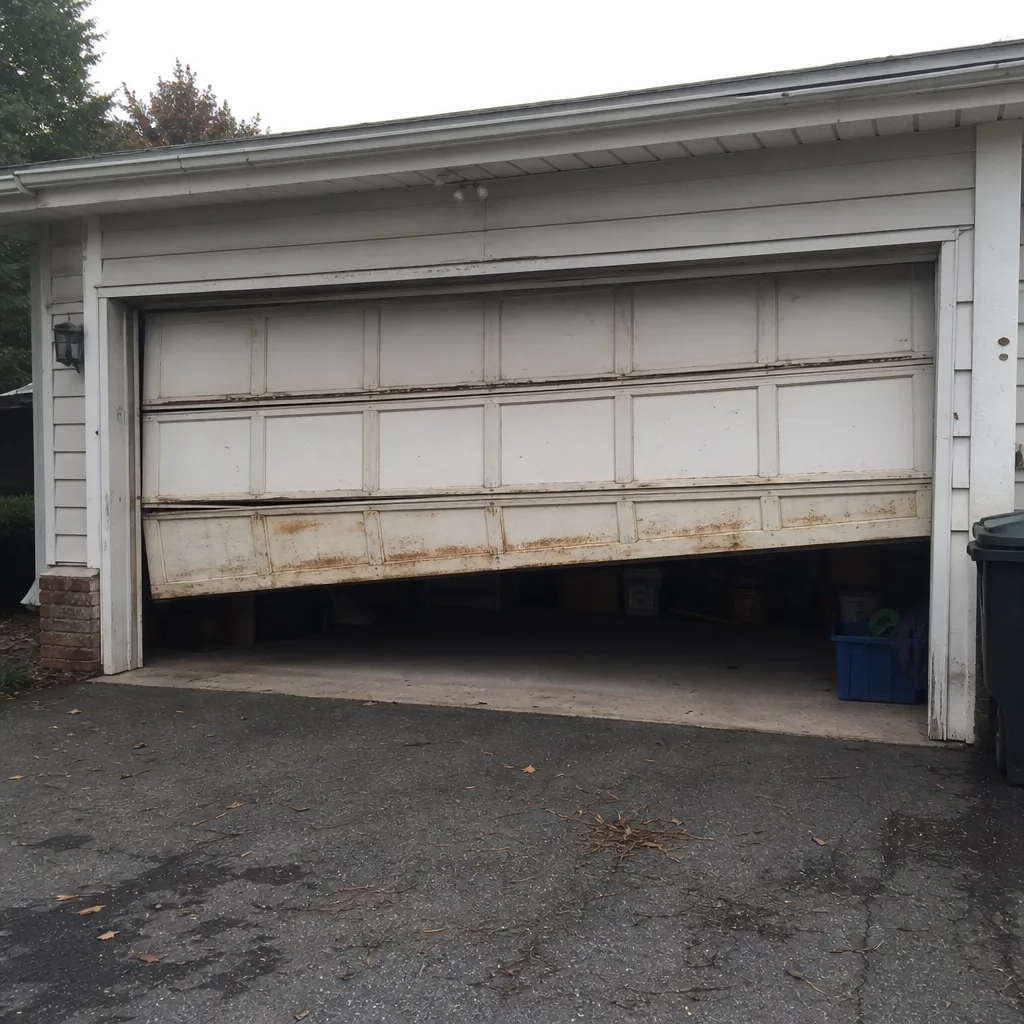 Before
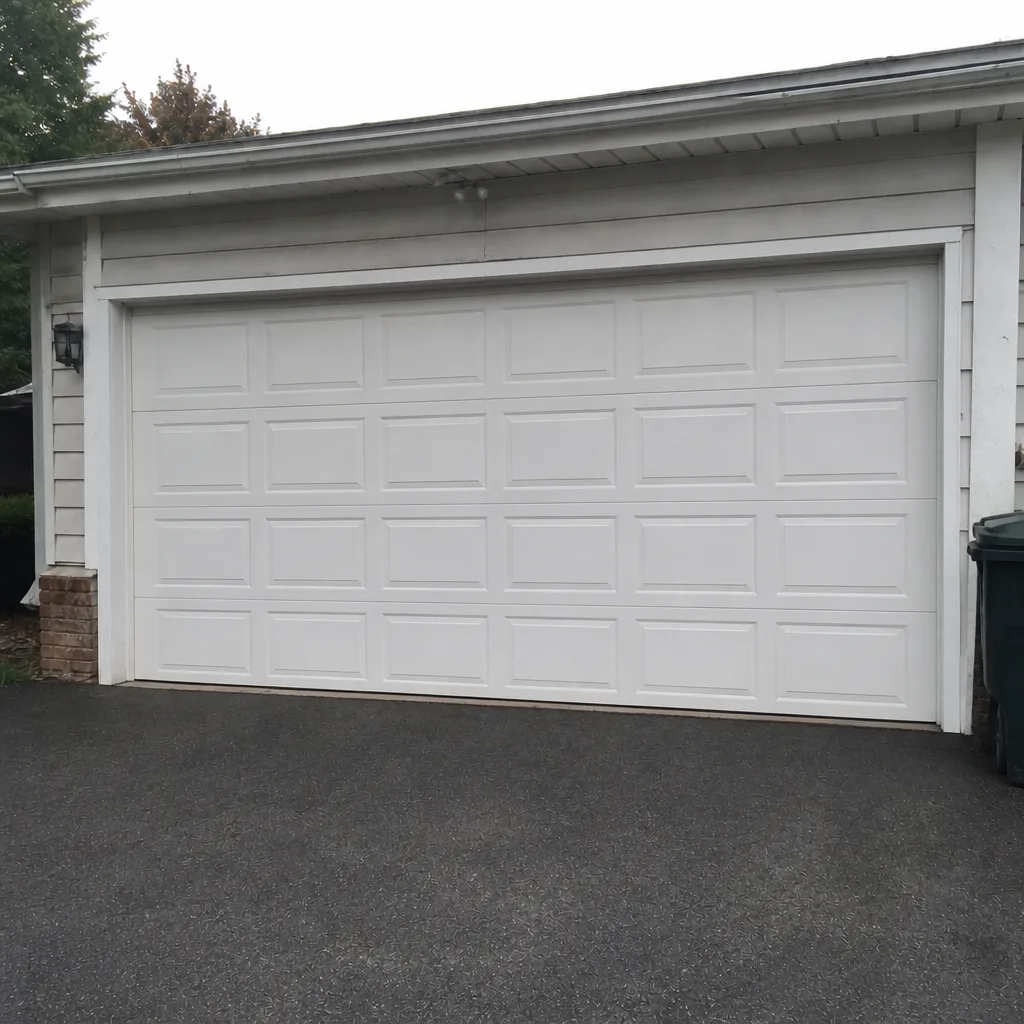 After
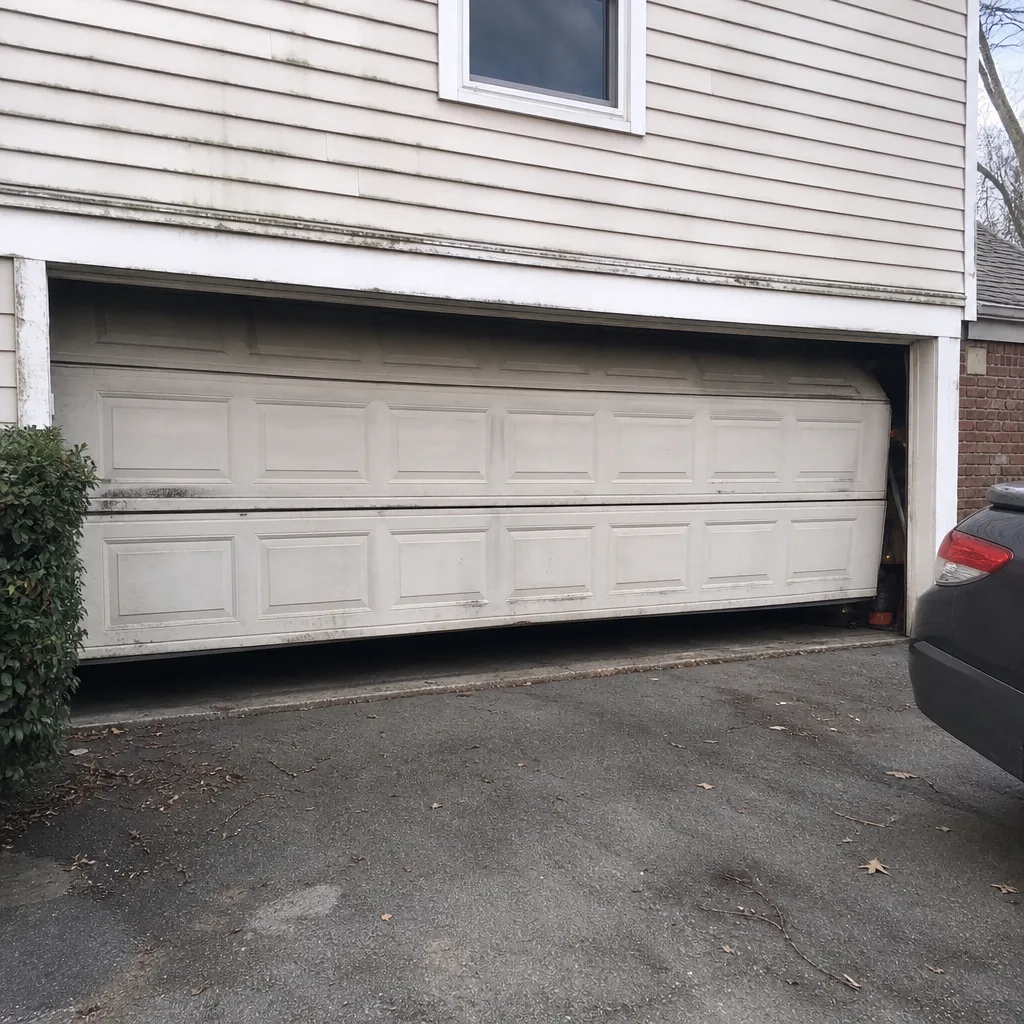 Before
 After
 Before
 After
Common Mistakes to Avoid
- Raising the opener’s force setting to push through a frozen door. This is the single fastest way to strip a drive gear and turn a five-minute ice problem into a full opener repair. Force settings are calibrated to the door’s weight, not to ice.
- Pouring hot water on a frozen seal. It works for about ten seconds and then refreezes into a wider sheet of ice bonded to more of the door. Broom or plastic scraper only.
- Greasing the tracks. Tracks are meant to be dry. Grease traps grit and turns into an abrasive paste that wears the rollers faster than running them dry.
- Using summer-weight lubricant in the fall. It gets gummy in the cold and can actually slow the door down. The switch to a cold-rated product should happen before the first freeze, not after the door starts dragging.
- Trying to adjust torsion springs to “straighten out” a winter-heavy door. Torsion springs are dangerous to adjust and easy to mis-set. A door that feels heavy in spring needs a professional balance check, not a homeowner’s adjustment.
- Skipping the spring audit because the door “still opens.” A fatigued spring still moves the door until the day it doesn’t. The audit catches fatigue before it turns into a failure.
- Replacing paint or staining summer wood without checking the seals. A fresh coat of paint over a seal that’s separated from the frame traps moisture against the panel. Seal replacement comes first.
When to Call a Professional
Some of this list is genuinely homeowner territory: testing the reverse feature, cleaning tracks, wiping old lubricant off hinges, checking seals for cracks. Other parts are not. Call a trained technician if you notice any of the following: a door that feels heavy in spring or won’t stay open; a grinding or straining noise from the opener; a bottom bracket or cable that looks damaged; a track that’s visibly bowed or out of level; a wood panel that’s cracked or separated at the seams. Torsion spring work should always go to a trained technician, full stop. If the door’s already failed, our garage door spring repair service is handled in-house by technicians with spring expertise, not referred out. Newton Garage Door Repair Co offers free estimates in Newton, and we work on the brand you already own rather than pushing a replacement. Call (877) 362-5143. We answer 24/7. Fast dispatch from 7am to 7pm, Sunday through Friday.
Frequently Asked Questions
October is the most important maintenance month for Newton garage doors, because the fall work is what protects the door through the winter. Spring is the second key window, when a post-winter audit catches the frost heave, corrosion, and spring fatigue that built up between December and March. If you can only do one pass a year, do it in October. Call (877) 362-5143 for a free estimate – we answer 24/7 and dispatch from 7am to 7pm, Sunday through Friday.
Give the opener one attempt, and if the door doesn’t move, stop pressing the button. Forcing it or raising the opener’s force setting is the classic way to strip a drive gear and turn a frozen seal into an opener repair. Clear the ice with a broom or plastic scraper and never with hot water or a metal tool. If the door still won’t lift after the ice is clear, the problem isn’t the freeze. Call us and we’ll diagnose it on site. Call (877) 362-5143.
Lubricating hinges, rollers, and bearing plates is a reasonable homeowner task, as long as you use the right product and never grease the tracks. What you shouldn’t do is adjust springs, replace cables, or recalibrate an out-of-balance door. If you’re not sure which parts are safe to touch and which aren’t, a maintenance visit from a trained technician is the safer call, and we offer free estimates. Call (877) 362-5143.
A cold-stiff spring usually loosens up once the door has been cycled a few times; a fatigued spring gets progressively worse. The reliable test is the balance check: disconnect the opener, lift the door halfway by hand, and see if it stays. If it drops or feels heavy, the system is out of balance. Do not attempt to adjust or replace the spring yourself, because torsion springs carry high tension and can cause serious injury. Call (877) 362-5143 and we’ll diagnose it and price the fix.
Yes, and it’s one of the most common corrosion problems we see in Newton garage doors. Salt tracked into the garage on the car or through wet boots finds hinges, rollers, and the bottom bracket faster than anything else. Look for white or rust-colored streaks along the hinges and around the bottom of the door each spring. Corroded rollers should be replaced; corroded hinges can sometimes be cleaned and relubricated. Call (877) 362-5143 for a free estimate if you find corrosion.
Usually yes, if the panels are solid and the hardware is in reasonable shape. Wood doors common in older Newton homes like the ones in Waban and Newton Highlands respond well to seasonal care: repaint in summer when the wood is dry and expanded, check for bowed panels each June, and keep the seals in good shape so moisture doesn’t sit against the bottom panel. Maintenance is almost always cheaper than replacement, and it preserves the character of the house. Call (877) 362-5143 for a free estimate and we’ll tell you what’s worth saving.
The Bottom Line
Garage door care in Newton works best as a set of four small seasonal passes, not one big annual project. October is the month that matters most: weatherseal replacement, lubricant switchover, cable inspection. Winter is about what not to do, and that means never forcing a frozen door. Spring is the post-winter audit for track alignment, hardware corrosion, and spring fatigue. Summer is for wood doors, humidity effects, and the balance check. Most of this list is homeowner territory; springs, cables, and any out-of-balance door belong with a trained technician. Garage door repair work is what we’re set up for, and our technicians have up to 10 years of experience. If any season’s check turns up a problem, garage door opener repair is a common follow-up in winter, so it’s worth a call early.
Newton Garage Door Repair Co is the multi-brand specialist that handles everything from a snapped spring to a full new door, including emergencies. We work on the eight most widely installed brands in the country – LiftMaster, Chamberlain, Genie, Clopay, Amarr, Wayne Dalton, Craftsman, and Raynor – so the door you already own is a door we know. Whether it’s October weatherseal work or a January frozen door, the visit starts with a free estimate and the price is quoted and agreed before any work starts, so you know the number before we touch the door. Call (877) 362-5143. We answer 24/7. Fast dispatch from 7am to 7pm, Sunday through Friday.
Written by the team at Newton Garage Door Repair Co.