
Last updated November 23, 2026
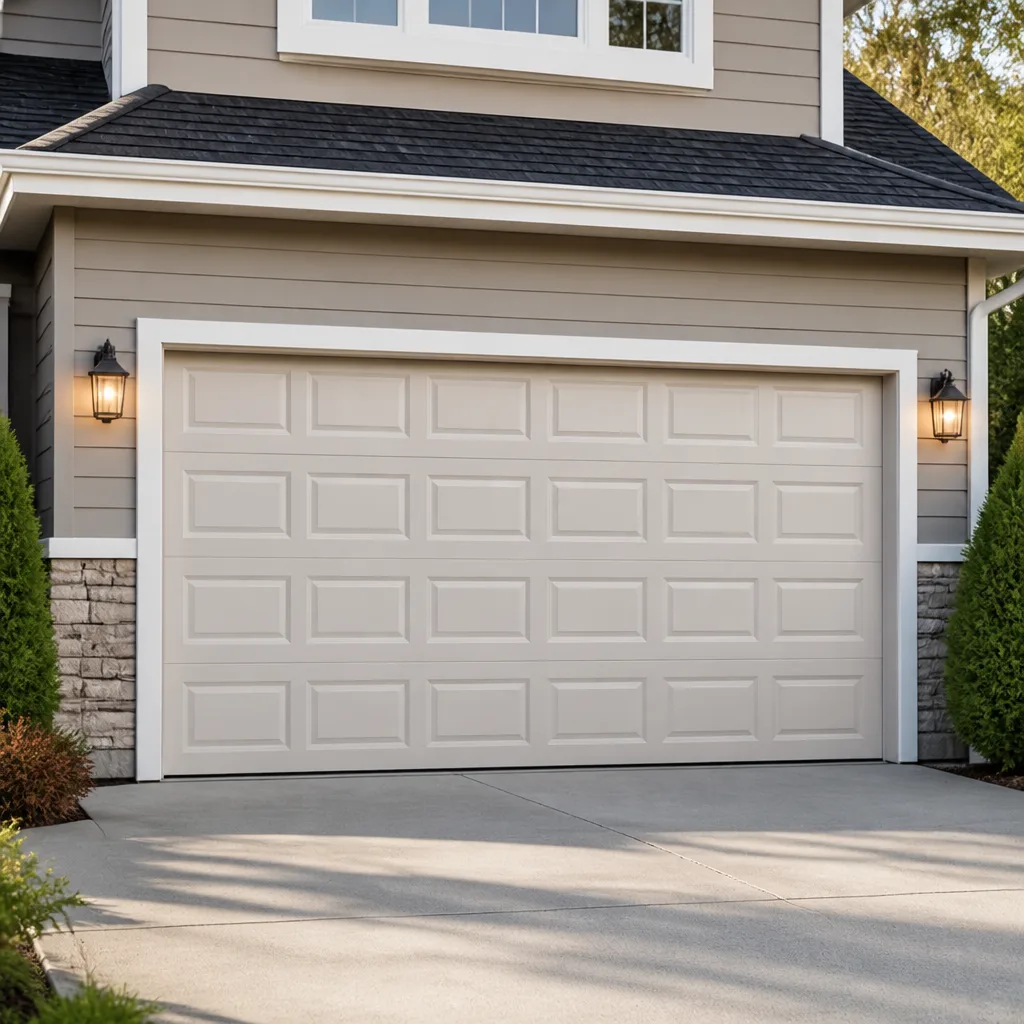 Raised-panel steel
 Carriage house
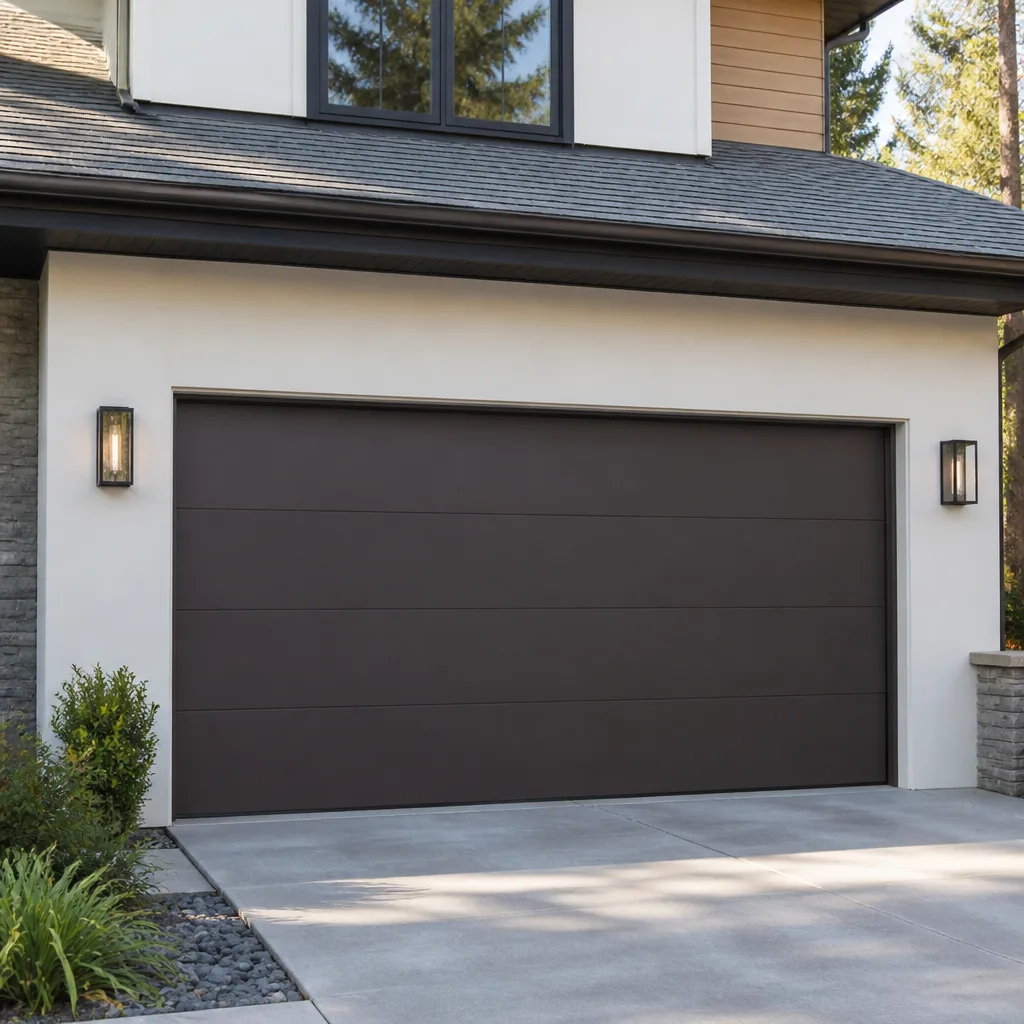 Modern flush
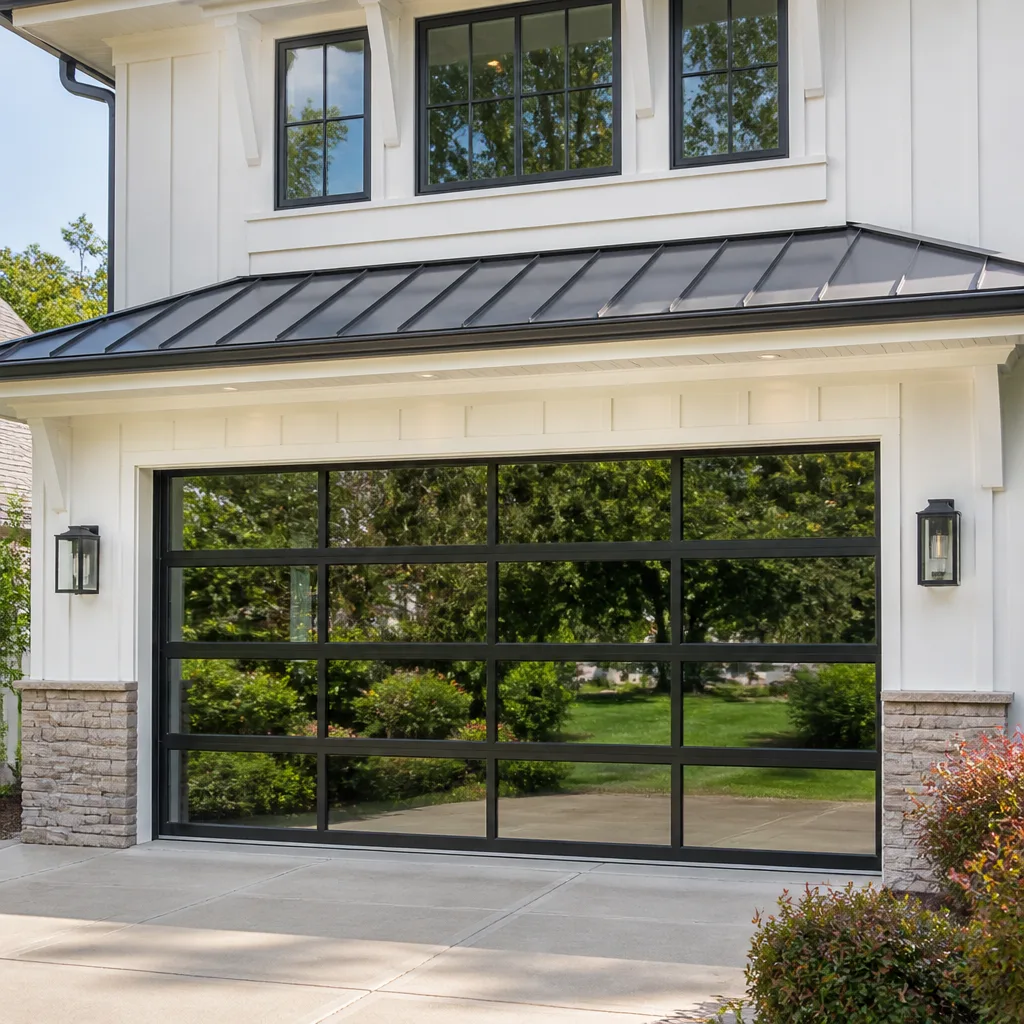 Full-view glass
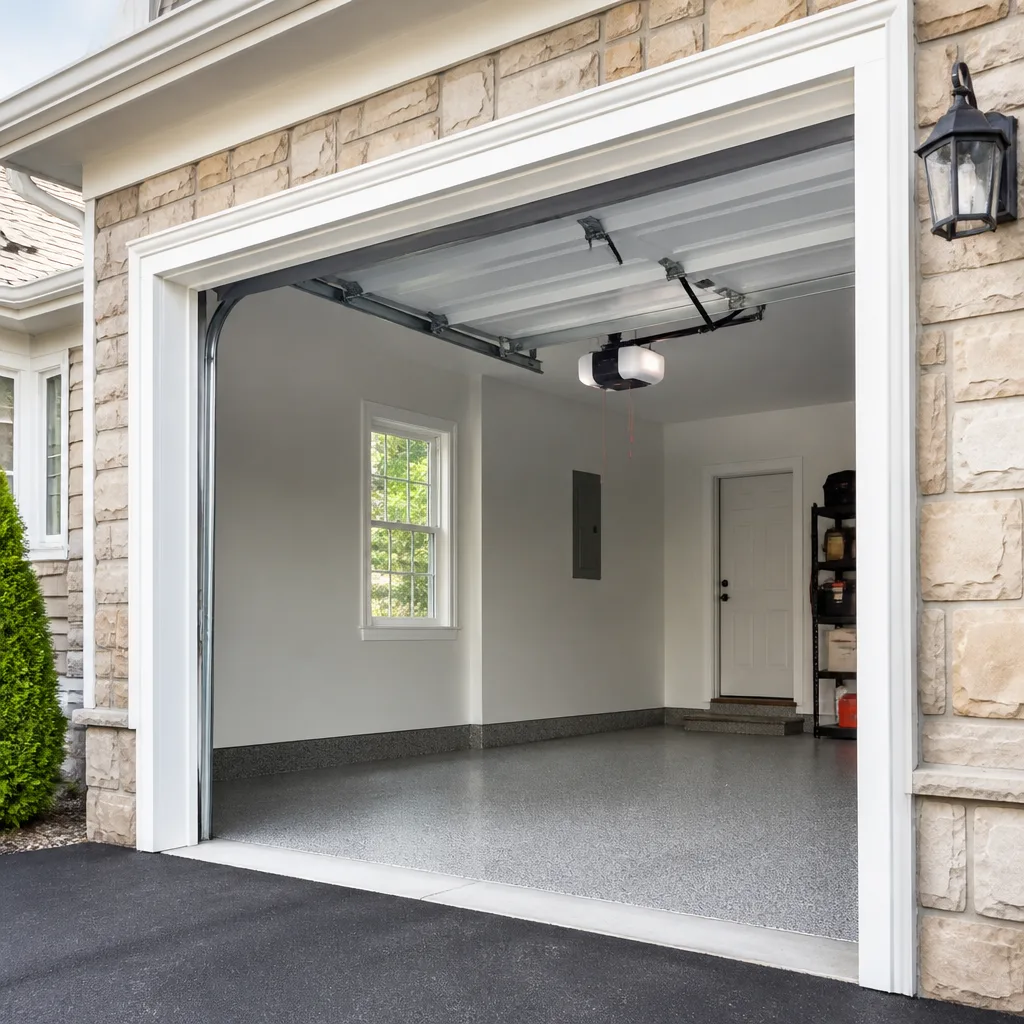 LiftMaster openers
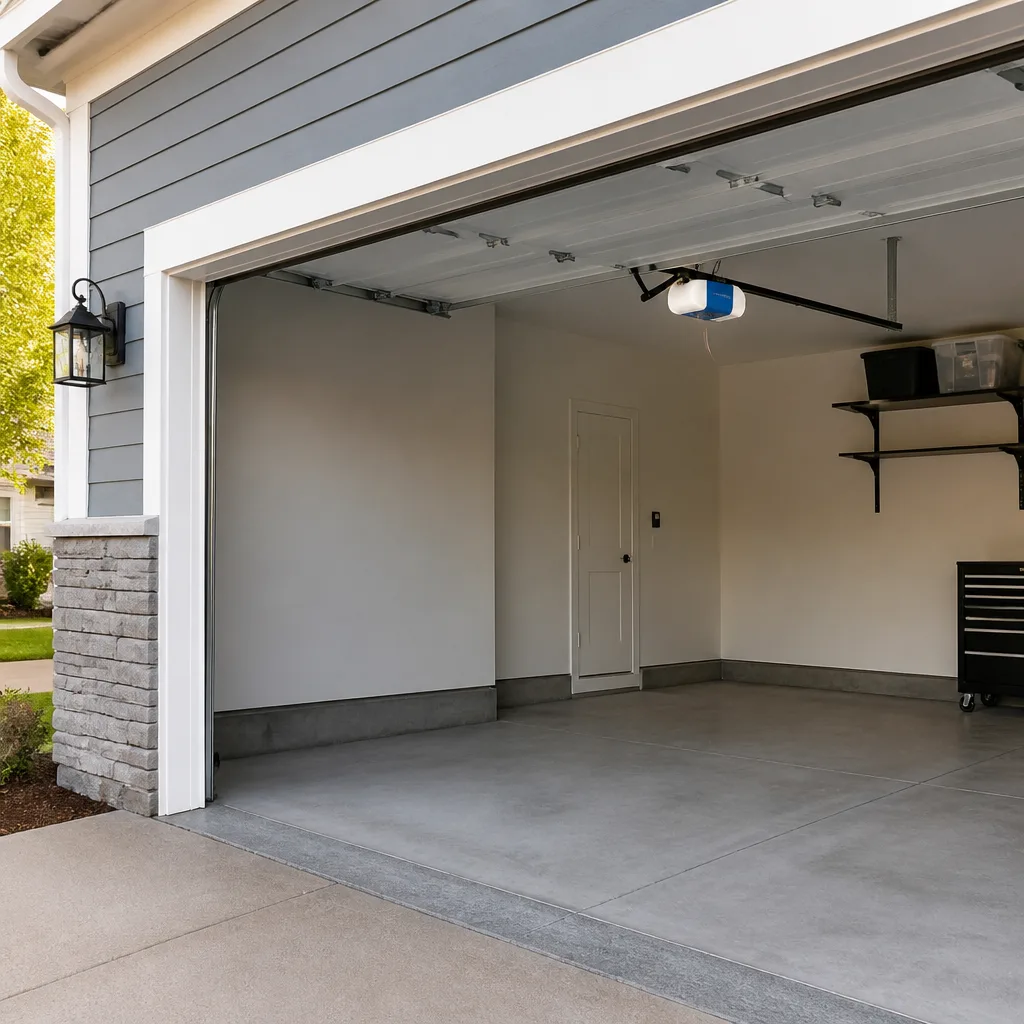 Chamberlain openers
Full 25-point door and opener safety check with every visit - springs, cables, rollers, tracks, and your LiftMaster or Chamberlain opener included
You get a price before we start. It does not change when the pro arrives.
Get your free estimateGarage Door Repair Maintenance Checklist for Newton Homeowners
Most garage door maintenance advice starts and ends with “oil the springs.” That advice will not save your door in Newton. The failures we diagnose here follow the weather, the housing stock and the freeze-thaw rhythm of a New England winter, and a generic lubrication schedule misses nearly all of them. A coil that looks fine in July can be a coil that snaps in January, and the difference is often something a homeowner could have caught in October with a flashlight and ten minutes. This guide is built around the failure points we see most often in Newton: a prioritized, task-by-task checklist organized by frequency, with real tolerances and a clear line between maintenance that actually extends component life and busywork. You’ll also learn how to check your own door safely, and when a problem is a call-a-professional situation rather than a weekend project.
Quick Answer
A practical garage door maintenance checklist for a Newton home means checking the door monthly for balance and unusual noise, inspecting and replacing the bottom weatherseal every October before the first freeze, testing the safety reverse twice a year, and having a trained technician inspect springs, cables and hardware annually. The single most important seasonal task in Newton is the fall weatherseal and hardware inspection, because freeze-thaw cycles and road salt do more damage to a garage door here than ordinary wear does.
Styles & brands we work with
- Raised-panel steel
- Carriage house
- Modern flush
- Full-view glass
- LiftMaster openers
- Chamberlain openers
Table of Contents
- Why Newton Garage Doors Fail Differently
- The Monthly Checklist: What to Check in Ten Minutes
- The Seasonal Checklist: October Matters Most
- The Annual Checklist: Springs, Cables and the Parts You Shouldn’t Touch
- How to Test Door Balance Safely and What the Numbers Mean
- The Corrosion Protocol for Homes Near the Water
- Which Tasks Actually Extend Life vs. Which Are Busywork
- What Newton Garage Door Repairs Typically Cost
Why Newton Garage Doors Fail Differently
The number one driver of premature spring failure here is not age. It’s corrosion. Road salt, winter damp and the way a Newton garage sits against cold, wet ground combine to attack a torsion spring from the inside of the coil outward, where you can’t see it. A spring that has lost a fraction of its steel to rust carries a lighter load, fatigues faster, and eventually fails under a stress it would have handled easily when new. The homeowner who oils the visible outside of a coil and calls it maintenance has oiled the part that wasn’t the problem.
Newton’s housing stock adds a second layer. Many garages in the city were built into older homes, attached, unheated and poorly ventilated, or added later with framing that has settled unevenly. That matters because a garage door is a balanced system: tracks, hinges, springs and cables all share the load. When a garage floor pitches slightly, or a track has shifted a half inch, the door works harder on every cycle, and every component wears out faster as a result. A door that runs smoothly in a newer suburban garage can be a door that binds and groans in a 1920s Newton garage. We’ve diagnosed plenty of doors where the “spring problem” turned out to be a track out of alignment that had been quietly straining the spring for a year.
This is why a Newton checklist can’t just be a national checklist. The tasks are the same in name, but the priority order and the timing are different. Below, we break the maintenance into monthly, seasonal and annual work, and each item explains what it’s actually catching.
The Monthly Checklist: What to Check in Ten Minutes
Once a month, with the door closed and the opener disengaged, walk around the door and look at it the way a technician would. The goal is to catch a change from last month, not to perform a repair. Ten focused minutes is enough. Here’s the sequence:
- Listen to the door. Open and close it fully with the opener and stand still. A healthy door is quiet: a hum from the motor, a soft click from the hinges, nothing else. Grinding, scraping, popping, or a single loud snap are all signals. Any new noise is a change worth investigating.
- Look at the springs. With the door closed, check the torsion spring (the coil on the shaft above the door) or the extension springs (the long springs running along the horizontal tracks) for rust streaks, a visible gap in the coil, or a stretched, sagging look. A gap in a torsion coil means the spring has broken; do not run the door on an opener past a broken spring.
- Inspect the cables and drums. Look for fraying, kinks, or slack cable that has come off the drum. A frayed cable is a call-a-professional item, not a do-it-yourself one; cables are under extreme tension.
- Check the bottom seal. Run a hand along the rubber seal at the bottom of the door. Look for tears, missing chunks, or a seal that has compressed flat and no longer touches the concrete. A seal that fails lets cold air and water in, and water at the garage threshold is a freeze-thaw problem in Newton.
- Wipe the tracks with a dry cloth. Don’t lubricate the tracks; wipe them clean. Grit in a track grinds the rollers, and grit comes in every time the door opens onto a salted Newton street.
- Test the safety reverse. Place a block of wood or a roll of paper towels on the ground under the door, then close the door with the opener. The door should reverse on contact with the object. This takes thirty seconds and matters more than everything else on this list.
That’s the monthly pass. Nothing on it requires a wrench, and none of it risks injury. If everything looks and sounds the same as last month, you’re done.
The Seasonal Checklist: October Matters Most
Most maintenance guides tell you to check the weatherseal in spring. In Newton, that’s a season too late. The seal’s job is to keep wind-driven rain, snowmelt and road splash out of the garage, and the damage it prevents happens during the freeze-thaw cycle of December through March. By the time you check in April, the water has already been in. Inspect the bottom seal and the side seals in October, before the first hard freeze.
What to look for goes beyond visible cracking. A weatherseal can fail while looking mostly intact. Check for these:
- Compression, not just tears. Press on the bottom seal. If it feels hard or has flattened to a thin strip, it has lost its spring and no longer seals, even if the rubber is unbroken.
- A gap at a corner or along one side. Seals can pull away from the door at the edges where the weather is worst, leaving a slot that water and cold air find.
- Water staining on the garage floor, especially along the bottom seal line. This is the tell that the seal is letting water in, which is the real problem a failed seal causes.
- Brittle or chalky rubber. If the rubber crumbles or leaves black marks on your hand when you touch it, it’s aged out and will fail within a season.
- Daylight under the door. On a sunny day, look at the threshold from inside. Any visible daylight line is a leak line.
The other October task is the door threshold and the bottom of the tracks. Clear leaves and debris from the threshold, check that the track hasn’t accumulated grit from the summer, and confirm the door closes flush against the floor. A door that closes a quarter inch high lets a winter’s worth of cold air and snowmelt past the seal. The seasonal checklist is short, and October is the month that pays for it.
The Annual Checklist: Springs, Cables and the Parts You Shouldn’t Touch
Once a year, some tasks need to be done by a technician. We’re specific about which ones because the most dangerous parts of a garage door system are also the parts that fail most dramatically. Springs, cables and the torsion system store enormous energy, and a mistake can cause serious injury. This is not a checklist for a homeowner with a ladder and a set of wrenches. Here’s what annual professional service should cover:
- Spring inspection and tension reading. A trained technician can measure spring tension and estimate remaining life, so a spring is replaced on a schedule instead of at 6 a.m. on a winter morning when it snaps.
- Cable and drum condition. Cables fray from the inside out, and a technician can see the strands a homeowner can’t.
- Track alignment and roller wear. A slightly bent track, a worn roller, or a hinge that has lost its pin all add load to the system. Aligning a track and replacing worn rollers is straightforward with the right tools and hazardous without them.
- Opener drive and safety system check. Whether you have a LiftMaster, a Chamberlain, a Genie, or a Craftsman opener, the safety reverse, force settings and drive system should be verified. Opener settings drift over a year of cycles, and a poorly tuned opener can strain a door that’s otherwise fine.
- Full balance and travel test. A technician will balance the door, confirm it stays put at the midpoint, and verify the door travels the full range without binding.
One annual visit covers the wear items a monthly and seasonal check can’t reach. If you’re already noticing a noise, a slow spot or an opener that seems weak, that annual visit is where it gets caught. Our garage door repair service handles exactly this kind of diagnostic work.
How to Test Door Balance Safely and What the Numbers Mean
Your door’s balance tells you how hard its springs are working, and a balance test is one of the few meaningful checks you can do without tools. Here’s how, and it takes one person and about a minute:
- Close the door fully.
- Pull the manual release cord on the opener trolley to disconnect the door from the opener. The door should now move by hand only.
- Lift the door to about waist height, then let go.
- Lift it to about halfway up, then let go. A balanced door will sit there or drift very slowly.
- If the door sinks to the floor quickly, or won’t stay up at half height, the springs are losing tension. If it flies up, the springs are over-tensioned.
What the numbers mean: a properly balanced door should stay within a few inches of where you let it go at the halfway point. A door that drops a foot or more at half height is working well under spring tension, and the opener is compensating for it by straining. A door that will not stay up at all is a door where the springs are nearly done. In our experience, “it drops halfway” is the single most common thing a homeowner notices in the weeks before a spring fails. If your balance test shows a drop, get it looked at before winter. The garage door spring repair page covers what happens when a spring actually fails and why a matched set is usually replaced together.
Don’t try to adjust spring tension yourself. The setup here is not a matter of turning a screw; torsion springs are under high tension and the wrong move can release it. Test balance, note the result, and hand the adjustment to someone trained for it.
The Corrosion Protocol for Homes Near the Water
Salt is the enemy of garage door hardware, and in Newton it comes from two directions: road salt tracked and sprayed onto the door, and the damp, humid air that surrounds homes near the water. This is not a coastal corrosion story, it’s a winter-weather-and-urban-salt story. The protocol below is the one we run on doors where the homeowner has noticed rust starting on the hardware.
Tracks. Look for rust along the vertical tracks and especially where the track meets the floor. Rust on the floor anchor plate is the most common starting point. Clean the track and check that the rollers still roll freely rather than skip.
Hinges and roller brackets. The hinges and the brackets that hold the rollers are the parts most exposed to winter splash. A dull brown film on a hinge is early rust. Left alone, it turns into a seized hinge that binds the door on every cycle. A light application of a proper lubricant on the hinges, roller bearings and springs is the right maintenance step, but it works on clean metal. It won’t stop rust that’s already growing.
Cable anchor plates and bottom brackets. These are the load-bearing connection points for the cables and the bottom of the door. Rust here matters because the plate carries the tension. A rusty anchor plate isn’t a reason to panic, but it is a reason to have the cable system inspected. This is a trained-technician item; don’t put a tool on it yourself.
Springs. As above, look for rust streaks on the coil. Corrosion on the spring is the single biggest accelerant of spring failure, and a spring that’s been quietly rusting doesn’t announce itself until it breaks.
For a home close to the water, run this protocol monthly during the salt season and again in the spring to clear winter’s deposits. A light oil on the hinges and springs after cleaning goes a long way.
Which Tasks Actually Extend Life vs. Which Are Busywork
Not every maintenance task is worth your weekend, and some tasks that get repeated on every checklist are close to useless. Here’s the honest split.
Tasks that genuinely extend component life:
- Replacing a worn bottom weatherseal before winter. Prevents water intrusion at the threshold, which is the freeze-thaw problem. A seal is inexpensive and the damage it prevents is not.
- Lubricating the hinges, roller bearings and springs (not the tracks) once or twice a year. This slows rust on the exact parts that corrode first in Newton.
- Testing the safety reverse monthly. Cheap, fast, and the one thing that protects your family from a door that closes on something or someone.
- Annual spring and cable inspection by a technician. This is the single highest-value task on the list. Catching a spring that’s lost tension before it fails is far cheaper than a same-day spring replacement.
- Cleaning the tracks. Grit in the track is real wear, and a clean track costs nothing but a cloth.
Tasks that are mostly busywork:
- Heavy greasing of the tracks. Tracks are not meant to be lubricated. Grease in a track collects grit and makes wear worse. Wipe, don’t grease.
- Painting a door every year in the name of maintenance. Paint protects bare metal, but a sound finish doesn’t need redone annually, and a door that’s peeling has a moisture problem underneath, not a paint problem.
- Tightening every bolt on a schedule. Fasteners on a garage door have specific torque, and over-tightening a hinge or a bracket is as bad as leaving it loose. Check for obvious looseness; don’t run a wrench over everything for the sake of it.
The honest cost of skipping the real tasks: an uncaught rusted spring fails without warning, a worn seal lets water into the garage all winter, and a door that’s out of balance wears its opener out faster. The honest payoff of the busywork: not much.
What Newton Garage Door Repairs Typically Cost
Maintenance catches problems early, and early problems are cheaper. Below are the typical estimated ranges for the Newton area, per job, as a guide. Every job is different, and the written estimate you receive sets the final price.
- Spring replacement (one torsion spring): typically $180 – $340
- Spring replacement (matched pair, usually replaced together): typically $360 – $680
- Bottom weatherseal replacement: typically $90 – $200
- Roller and hinge replacement (full set): typically $150 – $300
- Track alignment: typically $100 – $250
- Opener repair: typically $120 – $300, depending on the part
- Full new door installation: quoted per door after a measure
These are estimates, not a fixed menu. The written estimate sets the final price, and no work starts until you’ve agreed to it. Whether your opener is a LiftMaster, a Chamberlain or a Clopay door system, the diagnostic approach is the same: identify the actual failing part, quote the job, and do it. Our garage door opener repair and repair teams work on your brand, including the mechanical door brands like Clopay and the smart-opener brands, so you’re not handed a “we only do X” answer. For an exact price, call (877) 362-5143. Estimates are free.
Common Mistakes to Avoid
- Oiling the tracks. Track grease collects grit and grinds the rollers, which turns a clean track into a wear point. Wipe tracks clean and leave them dry.
- Skipping the fall weatherseal check. In Newton, the freeze-thaw season is the whole reason to check the seal in October. Waiting until spring means the water’s already come in.
- Trying to adjust a torsion spring yourself. A torsion spring stores a lot of energy and the wrong tool or the wrong turn can release it. It’s the most common serious-injury DIY mistake with garage doors.
- Running the opener on a broken spring. Once a spring has failed, the opener motor works against a door it was never sized to lift, and running it can damage the opener or the door. Disengage and call.
- Replacing one spring when the pair is at the same age. A matched pair is normally replaced together because the second spring is on the same wear clock. One of the two failing right after is common.
- Assuming a rusty track is a cosmetic issue. Rust at the floor anchor plate and at the bottom brackets is exactly where water and salt collect, and it’s where the hardware loses its grip on the load.
- Ignoring a balance test that shows a drop. A door that sinks at half height is telling you the springs are weakening. That’s the one warning before a failure, so don’t shelve it.
See the difference
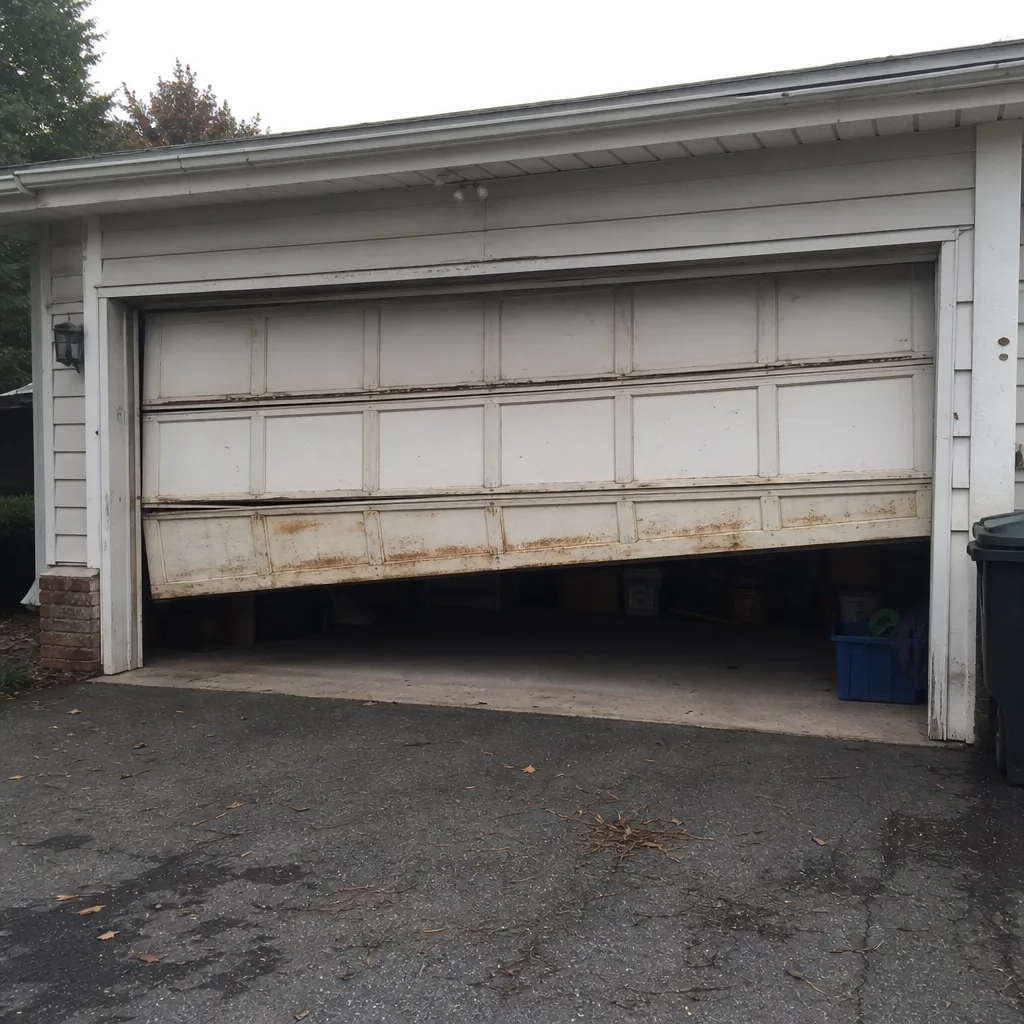 Before
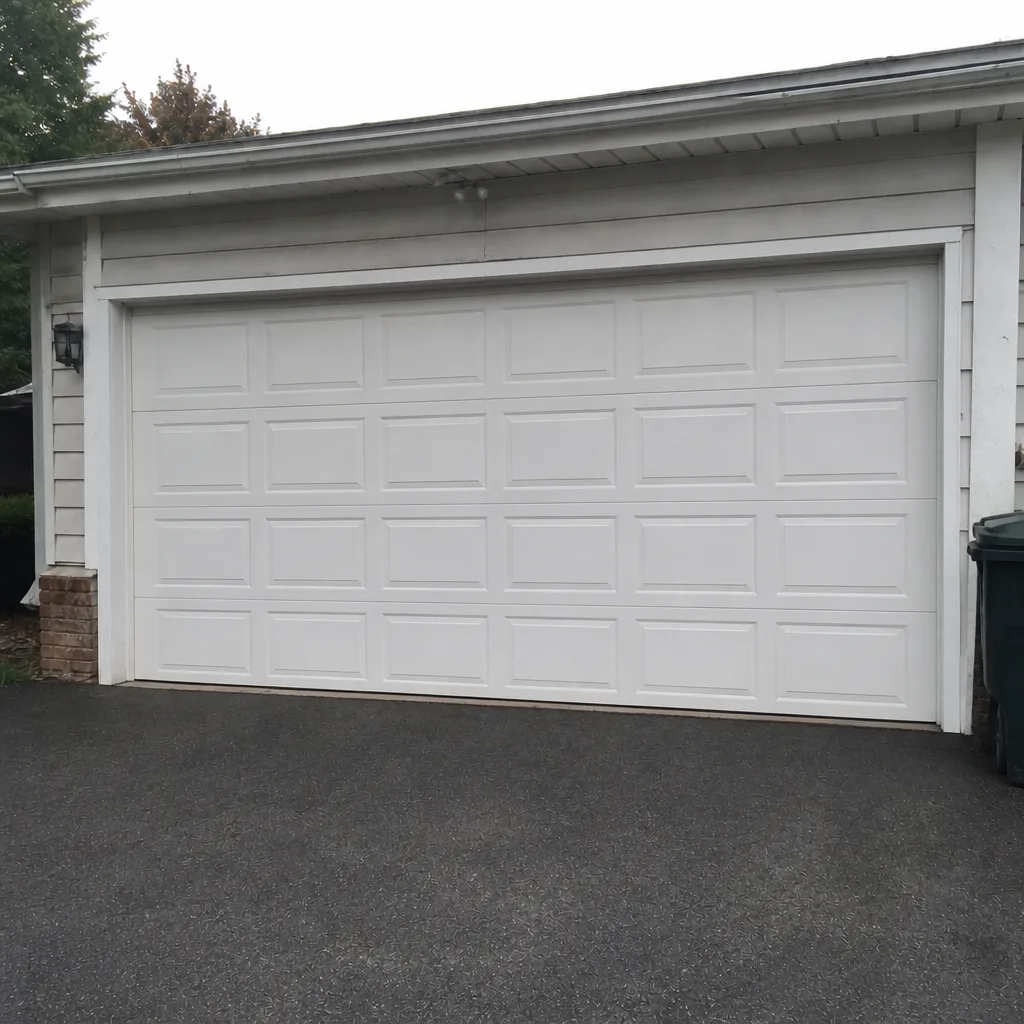 After
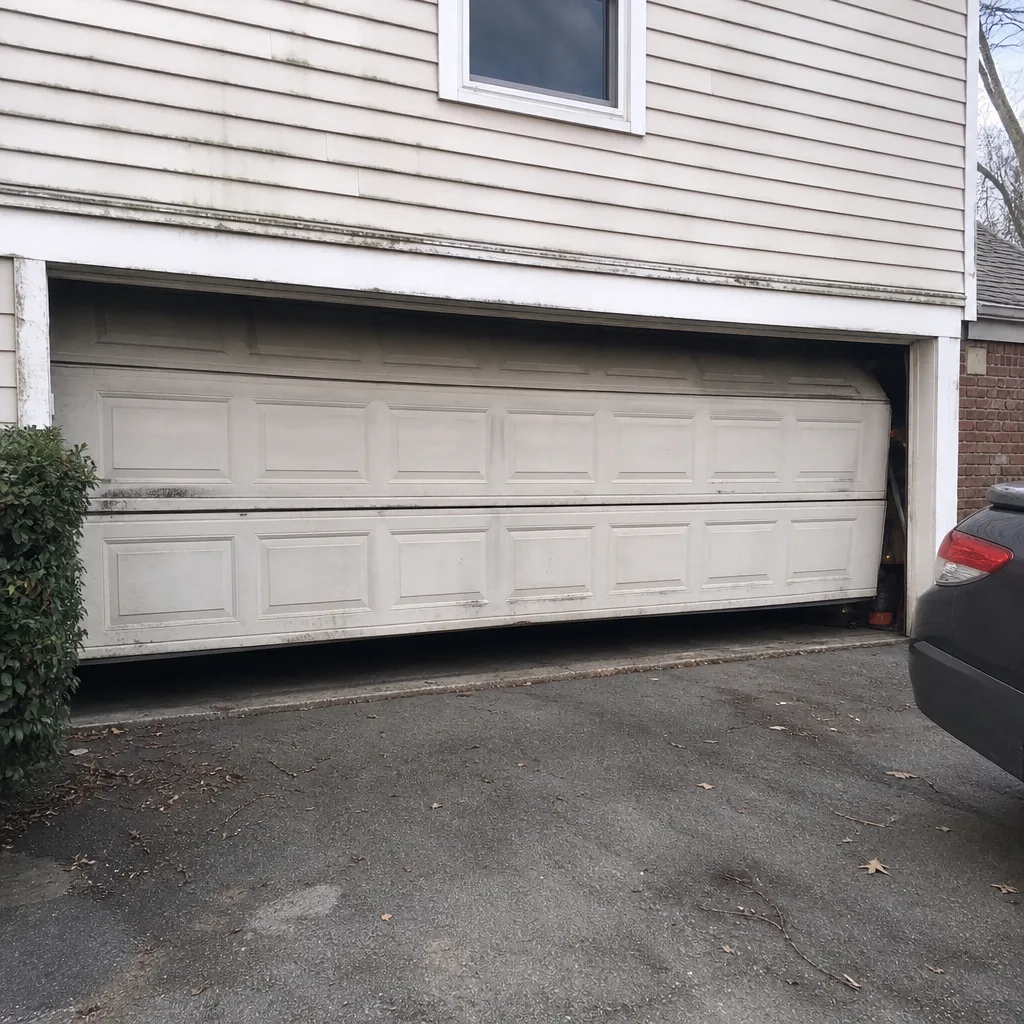 Before
 After
 Before
 After
When to Call a Professional
Some problems are a checklist item, and some are a phone call. Call a professional if you see a gap in a torsion spring, a frayed or slack cable, a door that won’t stay up at half height, a door that’s jumped its track, or a door that won’t close flush. Call if the opener makes a new grinding noise, if the safety reverse fails the block test, or if a door has been hit or backed into. And if a door fails on a Saturday, call; we’re closed that day, and we’ll book you for Sunday. Our technicians have up to 10 years of experience and are trained on the major mechanical and opener brands, so your door gets diagnosed right the first visit. Newton Garage Door Repair Co offers free estimates in Newton. Call (877) 362-5143. We answer 24/7. Fast dispatch from 7am to 7pm, Sunday through Friday.
Frequently Asked Questions
An annual professional service, plus a monthly ten-minute self-check and an October weatherseal inspection, is the right rhythm for a Newton home. The annual visit covers springs, cables, tracks, rollers and the opener, which are the parts a homeowner can’t safely reach. The monthly check catches changes early, and the fall weatherseal check prevents water intrusion before the freeze-thaw season. Call (877) 362-5143 for an exact quote. Estimates are free.
You can lubricate the springs lightly with a proper garage door lubricant, working gently on the coil, but you should never adjust or attempt to tension a spring. Lubrication slows rust; adjustment releases stored energy and is a trained-technician job. If you see rust streaks or a gap in the coil, stop and call. Call (877) 362-5143. We answer 24/7. Fast dispatch from 7am to 7pm, Sunday through Friday.
Typical estimated ranges are $180 – $340 for one spring and about $360 – $680 for a matched pair, since a pair is usually replaced together. The written estimate you receive sets the final price, and no work starts until you’ve agreed to it. Call (877) 362-5143 for an exact quote. Estimates are free.
Cold, damp air and road salt accelerate corrosion on the coil, and a spring that’s lost steel to rust fails under a load it once carried easily. Newton winters push the corrosion hard, and most spring failures here happen in the cold months. A fall inspection is the best way to catch a weakening spring before it breaks. Call (877) 362-5143 for a spring inspection.
For same-day service on a stuck door, call and we’ll get a technician to you if the schedule allows that day. We answer 24/7, and fast dispatch runs from 7am to 7pm, Sunday through Friday. If a door fails outside those hours, a call is booked into the next opening. Call (877) 362-5143 for an exact quote. Estimates are free.
No. The written estimate you agree to is the price; the job doesn’t start until you’ve accepted it. If a technician finds a second issue once the door is open, the price for that work is quoted and agreed before it’s done. Call (877) 362-5143 for an exact quote. Estimates are free.
The Bottom Line
Garage door maintenance in Newton comes down to three habits: a quick monthly check for noise, balance and the bottom seal; an October weatherseal and hardware inspection before the freeze-thaw season; and an annual technician visit for springs, cables and the opener. Add a corrosion protocol if your home sits near the water, and replace a matched spring pair together rather than waiting for the second one to fail. Skip the busywork, keep the tasks that matter, and the door on your Newton home will last longer between repairs and cost less to keep. When something needs a trained hand, Newton Garage Door Repair Co works on the mechanical and opener brands you already own, from Clopay doors to LiftMaster openers, and diagnoses by brand. Call (877) 362-5143 for a free estimate. We answer 24/7. Fast dispatch from 7am to 7pm, Sunday through Friday.
Written by the team at Newton Garage Door Repair Co.