
Last updated November 23, 2026
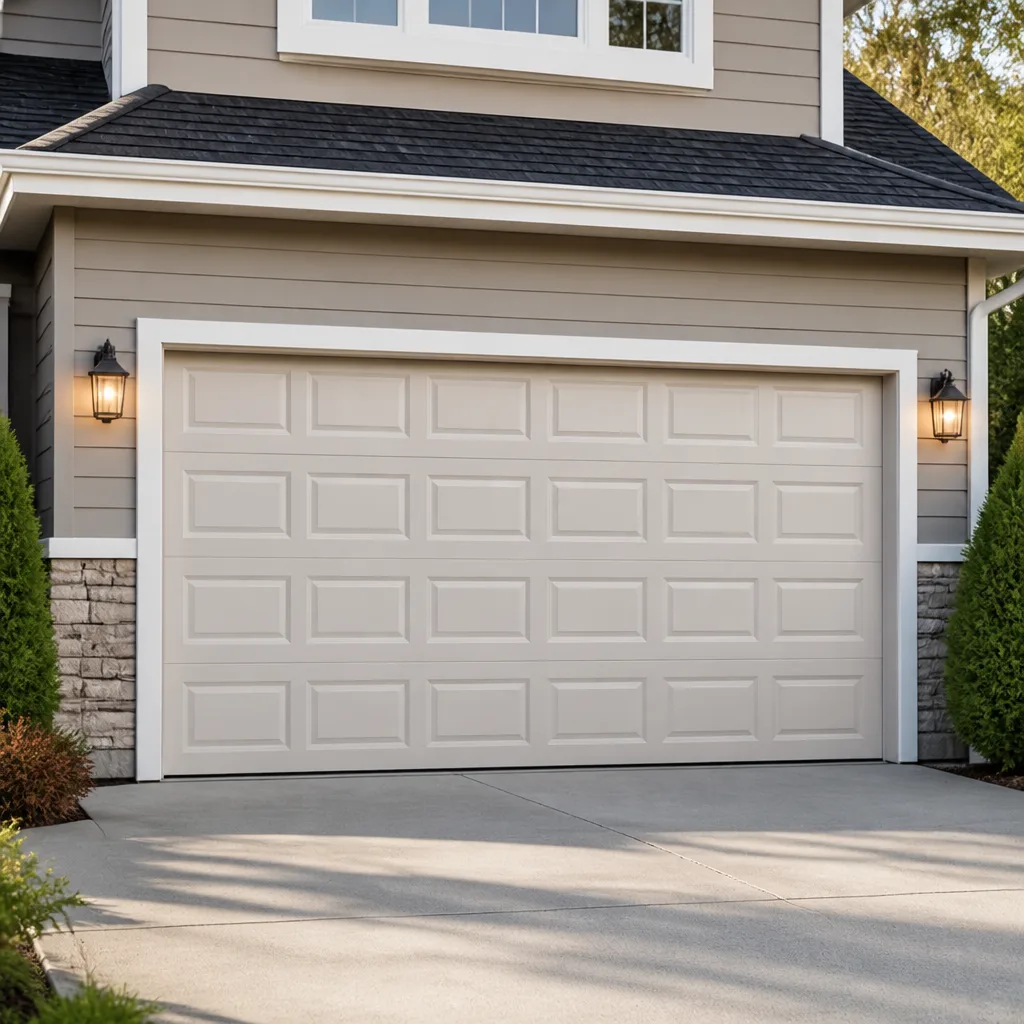 Raised-panel steel
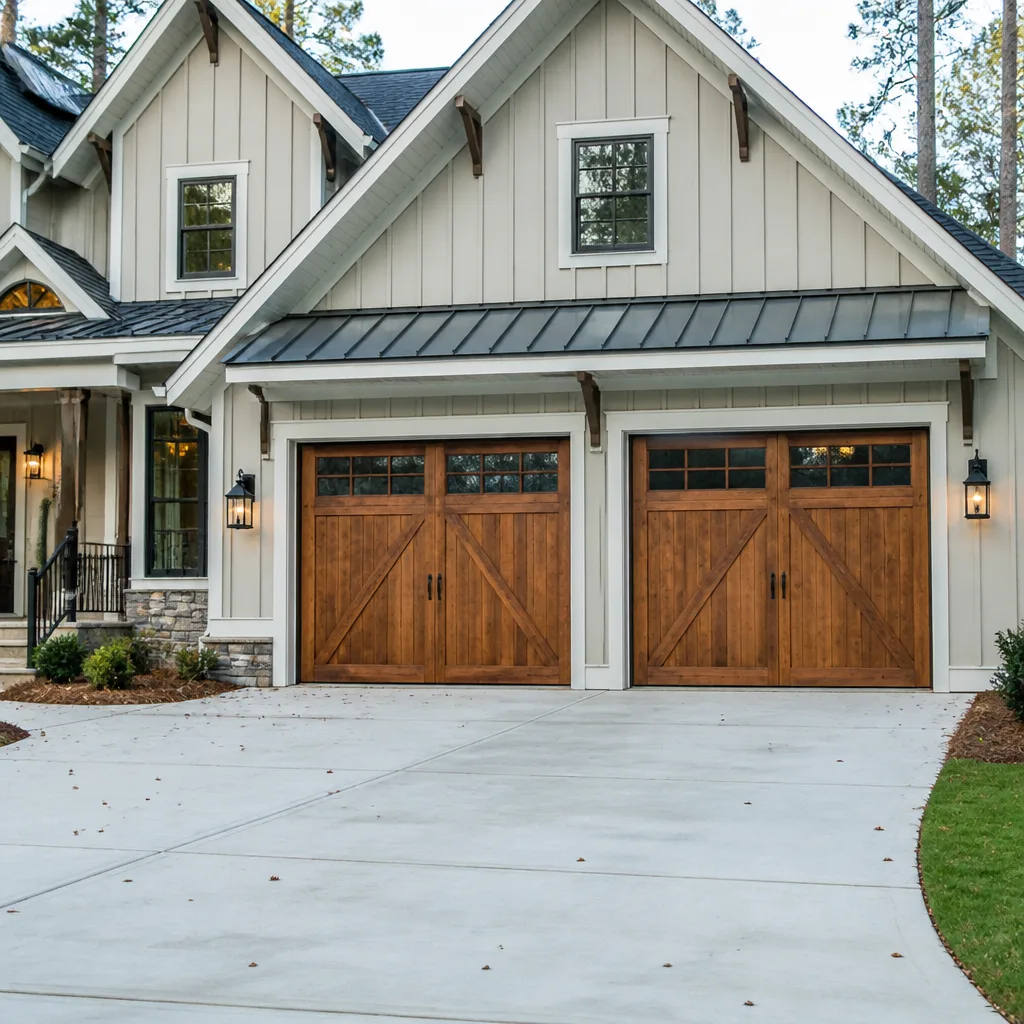 Carriage house
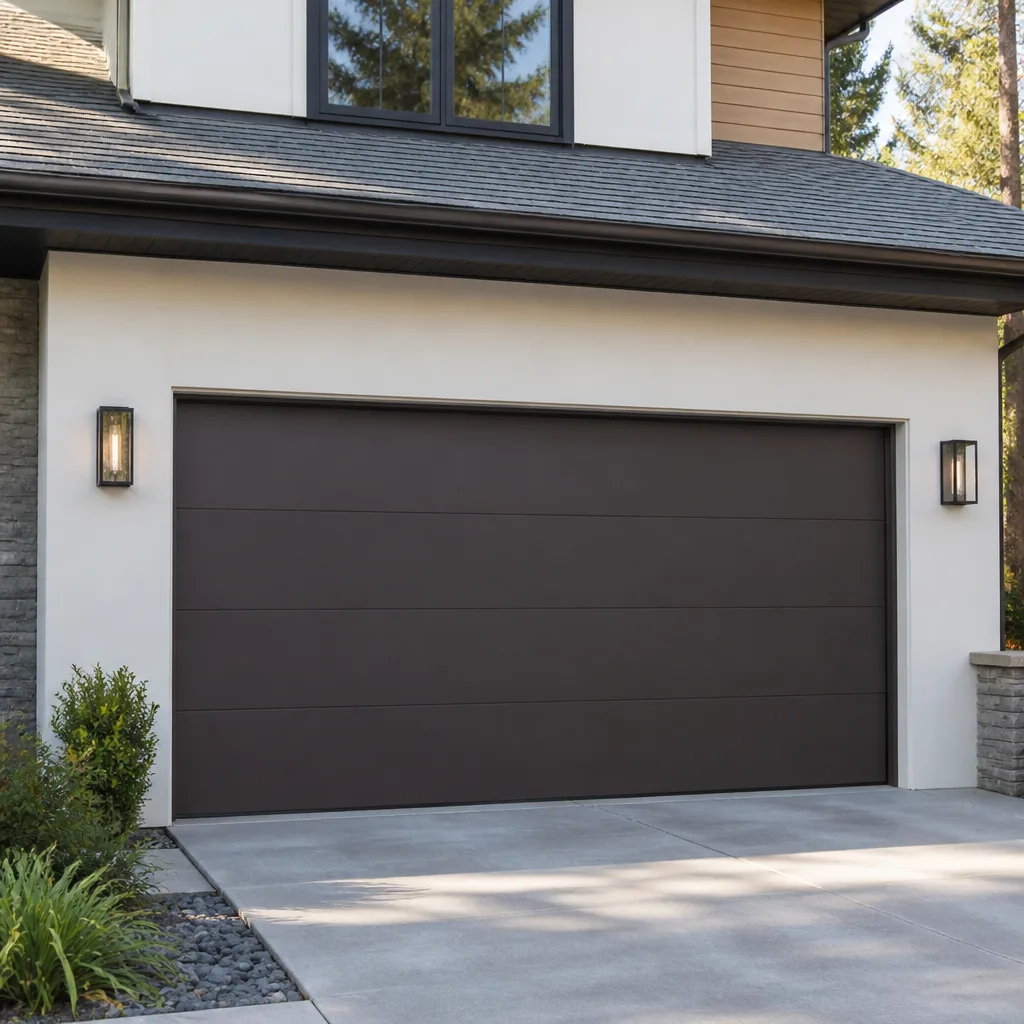 Modern flush
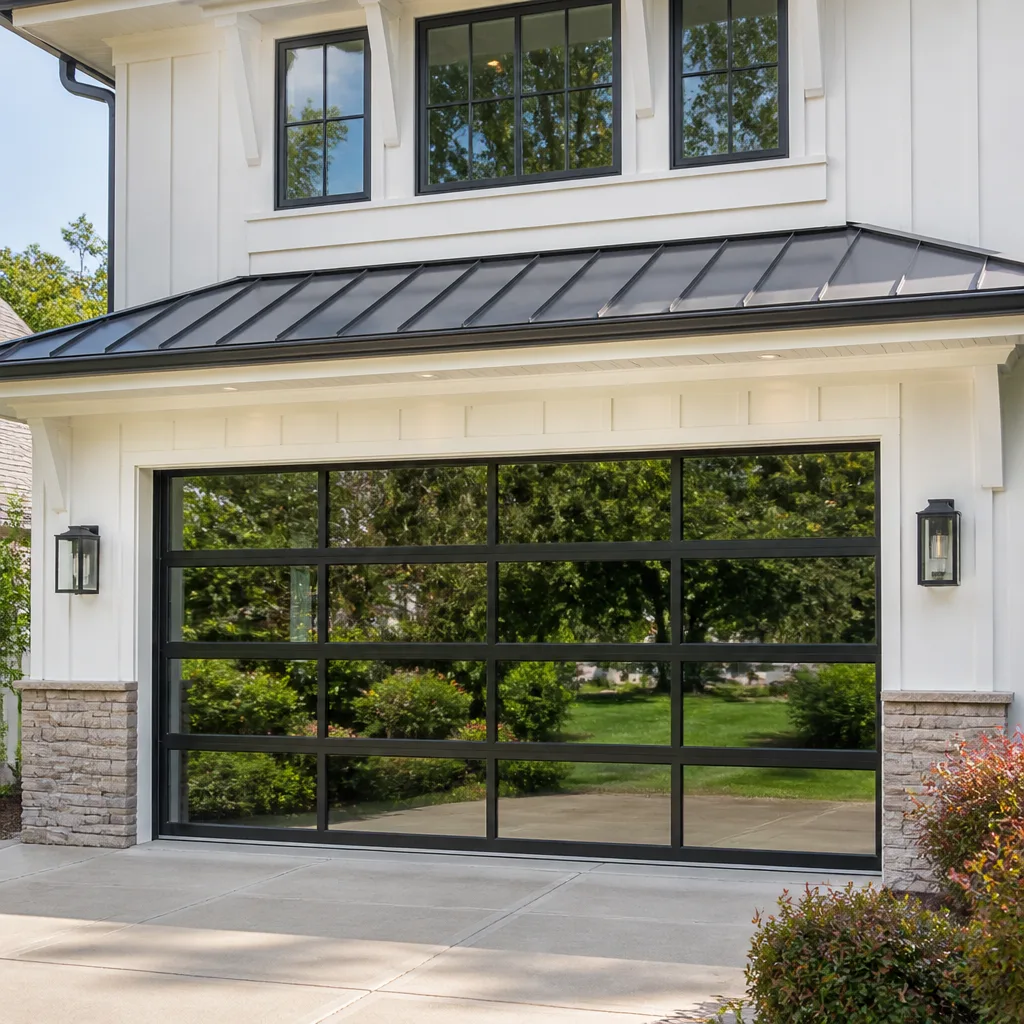 Full-view glass
 LiftMaster openers
 Chamberlain openers
Full 25-point door and opener safety check with every visit - springs, cables, rollers, tracks, and your LiftMaster or Chamberlain opener included
You get a price before we start. It does not change when the pro arrives.
Get your free estimateGarage Door Warning Signs: A Newton Homeowner’s Reference Guide
Most warning-sign articles tell you what a failing door looks like. Fewer tell you which part is actually failing. That gap is where money gets wasted. A garage door that’s slow on one side isn’t a speed problem; it’s almost always a cable or spring imbalance, and left alone it tends to become a full failure within a couple of months. This guide works backward from the symptom to the component, so you can tell the difference between an $80 cable adjustment and a spring replacement before you call anyone. We’ll also cover the failure patterns that show up specifically in Newton – the freeze-thaw cycling, the road salt, the older home construction – and how to document what you’re seeing so diagnosis starts before anyone arrives.
Quick Answer
The key warning signs of a failing garage door are unusual noise (popping, grinding, snapping), uneven movement or a door that hangs on one side, visible cable fraying or spring gaps, and a door that reverses or stops partway. Most of these point to a mechanical problem – a spring, cable, roller, or track – not the opener, which is the part homeowners most often blame and replace by mistake. Three signs (a snapped spring, a frayed or hanging cable, and a door that won’t stay down) warrant same-day attention; the rest can usually wait a few days to be scheduled.
Styles & brands we work with
- Raised-panel steel
- Carriage house
- Modern flush
- Full-view glass
- LiftMaster openers
- Chamberlain openers
Table of Contents
- The Symptom-to-Component Diagnostic Matrix
- Opener Symptoms vs. Mechanical Symptoms: The Critical Distinction
- Newton-Specific Failure Causes: Salt, Freeze-Thaw, and Older Construction
- The Three Signs That Need Same-Day Service
- The Signs That Are Safe to Schedule
- How to Document Symptoms Before You Call
- What Your Brand Is Telling You
- Common Mistakes to Avoid
The Symptom-to-Component Diagnostic Matrix
The fastest way to understand a garage door problem is to match the symptom to the part. Below is how we map the most common observables. The urgency tier is the part people ask about most, so it’s included right alongside.
- Loud pop or snap, then the door won’t lift: Torsion or extension spring failure. Urgency: same-day. Do not operate the door.
- Door lifts crooked or hangs on one side: Cable slack, stretched cable, or spring imbalance. Urgency: same-day to within 48 hours. It gets worse fast.
- Grinding or squealing while moving: Worn rollers, dry hinges, or a misaligned track. Urgency: schedule within the week.
- Door reverses immediately after touching the floor: Opener limit switch or safety sensor misalignment. Urgency: schedule within the week, but check for obstruction first.
- Door stops partway up or down: Travel limit setting, or a binding track. Urgency: schedule.
- Visible cable fraying or a cable hanging loose: Cable failure. Urgency: same-day. A snapped cable can whip and cause injury.
- Door sags in the middle or panels look bowed: Structural panel fatigue or a broken torsion shaft. Urgency: schedule for assessment.
- Opener runs but the door doesn’t move: Broken spring, stripped gear in the opener, or a disconnected emergency release. Urgency: diagnose before assuming the opener.
We’ve seen this matrix hold across every brand we service, from LiftMaster openers to Wayne Dalton doors. The failure mode is mechanical and universal; the fix varies by model.
Opener Symptoms vs. Mechanical Symptoms: The Critical Distinction
This is the single most expensive misdiagnosis in garage doors. A homeowner hears the opener run, assumes the opener is broken, and replaces it. But if the opener motor spins and the door doesn’t move, the problem is almost always downstream of the opener – in the springs, cables, or the door’s balance.
Here’s the test. Stand in the garage and listen. If you hear the motor running but nothing moves, the opener is fine. If you hear nothing at all, the opener or its power supply is implicated. If you hear a grinding sound from the opener head, that’s a stripped drive gear – a genuine opener problem.
Opener symptoms usually look like this:
- The door reverses without touching anything (safety sensor or limit switch).
- The opener runs but the door hums and stalls (capacitor or gear).
- The remote or wall button doesn’t respond but the manual release works.
- The light flashes but nothing moves (a LiftMaster or Craftsman logic board fault).
Mechanical symptoms look like this:
- The door is heavy to lift by hand with the opener disengaged.
- The door hangs crooked, binds, or grinds against the track.
- A visible gap in the spring, or a cable off its drum.
- The door slams down instead of settling.
If your symptoms fall in the second list, replacing the opener won’t fix it. That’s why we always disengage the opener and test the door by hand first. garage door opener repair is worth doing when the opener is genuinely at fault – but not before that’s confirmed.
Newton-Specific Failure Causes: Salt, Freeze-Thaw, and Older Construction
Newton’s housing stock and its winters create a specific set of garage door failure patterns that don’t show up in newer subdivisions. Three causes stand out.
Road salt infiltration. Newton winters bring road salt onto driveways and into garages. Salt-laden slush gets tracked onto the bottom of the door, the hinges, and the track. Over a few seasons, it accelerates rust on steel rollers, hinge pins, and the bottom panel’s steel reinforcement. That’s why we often find pitted rollers and stiff hinges in Newton garages that are only a few years old.
Freeze-thaw cycling. Repeated freezing and thawing expands and contracts the door and its track. Cables stretch slightly under temperature swings, springs lose tension, and wooden door panels in older Newton homes swell and warp. The freeze-thaw cycle is the most common reason a door that worked fine in October suddenly hangs in January.
Older construction tolerances. Newton has a lot of homes built before modern garage standards, which means narrower openings, non-standard header heights, and older track installations that don’t accommodate the same tolerances as a new build. Springs from that era were often sized differently. When we service a door in a Newton home, we measure the opening and check the track before assuming a modern replacement part fits. It usually does – but not always without adjustment.
These three patterns explain why Newton garage doors tend to fail in specific ways that a generic warning-signs list misses. If you’ve noticed stiffness in cold weather, rust at the bottom of the door, or a door that binds only in winter, the climate and the housing are part of the diagnosis.
The Three Signs That Need Same-Day Service
Only three warning signs justify same-day attention. We don’t say that to downplay other problems – we say it because most of the rest can wait without harm. Here they are:
- A snapped or visibly broken spring. A broken torsion or extension spring leaves the door unsupported. If you try to open it with the opener, the motor will strain and the door can drop. Leave the door closed and call. garage door spring repair is genuinely urgent here, not a sales pitch.
- A frayed, hanging, or snapped cable. Cables are under extreme tension. A broken cable can whip violently. Do not touch it. Call and keep everyone clear of the door.
- A door that won’t stay closed or shows signs of falling. If the door creeps down on its own or the tension feels wrong when you test it by hand, that’s a safety issue. Get it checked before someone gets hurt.
These are the cases where waiting risks injury or further damage. We handle spring repair in-house because it’s a high-risk job that deserves real specialization, not a referral to whoever’s available.
The Signs That Are Safe to Schedule
The rest of the list is safe to schedule within the week. We say this honestly because treating every symptom as an emergency scares people into overpaying or replacing parts that are still working.
- Grinding or squealing: Usually worn rollers or dry hinges. Annoying, not yet dangerous.
- A door that reverses on contact: Often a sensor alignment or limit switch issue. Check for an obstruction first.
- A door that stops partway: Travel limit or track binding. Usually a setting issue.
- Slow or labored movement: Could be a spring losing tension or a failing roller. Worth checking before it becomes a same-day case.
- Opener remote not working: Usually a battery or programming issue.
The key is not to ignore these – it’s to know they aren’t emergencies. Scheduling them lets us bring the right part on the first visit instead of the second. That’s the difference between a routine fix and a rushed one.
How to Document Symptoms Before You Call
The more specific your description, the faster the diagnosis. Before you call, do this:
- Write down the exact noise. Is it a pop, a grind, a squeal, or a rattle? When does it happen – on opening, closing, or the first few inches of travel?
- Photograph the door from several angles. Show the full door, the springs and cables at the top, the track on each side, and the bottom panel.
- Photograph the opener unit and its label. The model number helps us know the brand and drive type before we arrive.
- Note when the problem started. After a cold snap? After a storm? After someone drove into the door? The timing often points directly to the cause.
- Test the door manually if you can do so safely. Disengage the opener, lift the door partway, and see if it feels heavy or binds. Don’t force it if it won’t move.
- List what you’ve already tried. Battery changes, sensor cleaning, re-programming. That saves time.
Clear documentation lets diagnosis start before anyone arrives. For a complex door – or a brand like a Raynor or a Craftsman with a non-standard opener – that head start matters. If the issue turns out to be something we can solve remotely, like a sensor or programming issue, we can often walk you through it. Otherwise, we arrive with the right part on the first visit.
What Your Brand Is Telling You
Different garage door brands have different weak points. Being brand-familiar means knowing where to look first instead of starting from scratch. We work on eight of the most widely installed brands in the country, and a few patterns are worth knowing as a homeowner:
- LiftMaster and Chamberlain openers: Logic board and safety-sensor faults are common. If the door reverses without cause or the light flashes, a board or sensor issue is the usual culprit – not the springs.
- Genie openers: Belt and chain drive wear shows up as a grinding or slipping noise. The opener head usually needs to be opened up to see it.
- Wayne Dalton and Clopay doors: Panel and hinge wear is common, especially in freeze-thaw climates. Bottom panel rust and hinge stiffness show up first.
- Craftsman and Raynor doors and openers: Entry-level models tend to wear faster on rollers and cables, so those are the parts to check first.
The point isn’t to memorize brand quirks – it’s that a known brand points you toward a known failure. When we diagnose a garage door repair in Newton, that brand knowledge usually shortens the process by a step or two.
Common Mistakes to Avoid
- Replacing the opener before confirming the springs and cables are fine. This is the most expensive mistake we see. If the door is heavy or crooked, the opener isn’t the problem.
- Spraying lubricant on a broken spring. Lubricant won’t fix a snapped or stretched spring, and it can make the door harder to assess. Springs need replacement, not oil.
- Forcing a door that’s binding. Pushing a jammed door can snap a cable or strip the opener gear. Stop and call.
- Assuming a winter-bound door is broken. In Newton, a door that binds in January may just be a freeze-thaw tension issue. Check it again in milder weather before assuming failure.
- Letting a door drip rust for years. In Newton’s salt-and-slush winters, small rust at the bottom panel becomes a structural problem. Address it early.
- Buying a door from a company that only sells its own stock. If you want to keep your current brand, make sure the company services it, not just replaces it.
- Skipping the written estimate. A quote agreed before work starts is the only way to avoid a surprise invoice. Never let anyone start without it.
See the difference
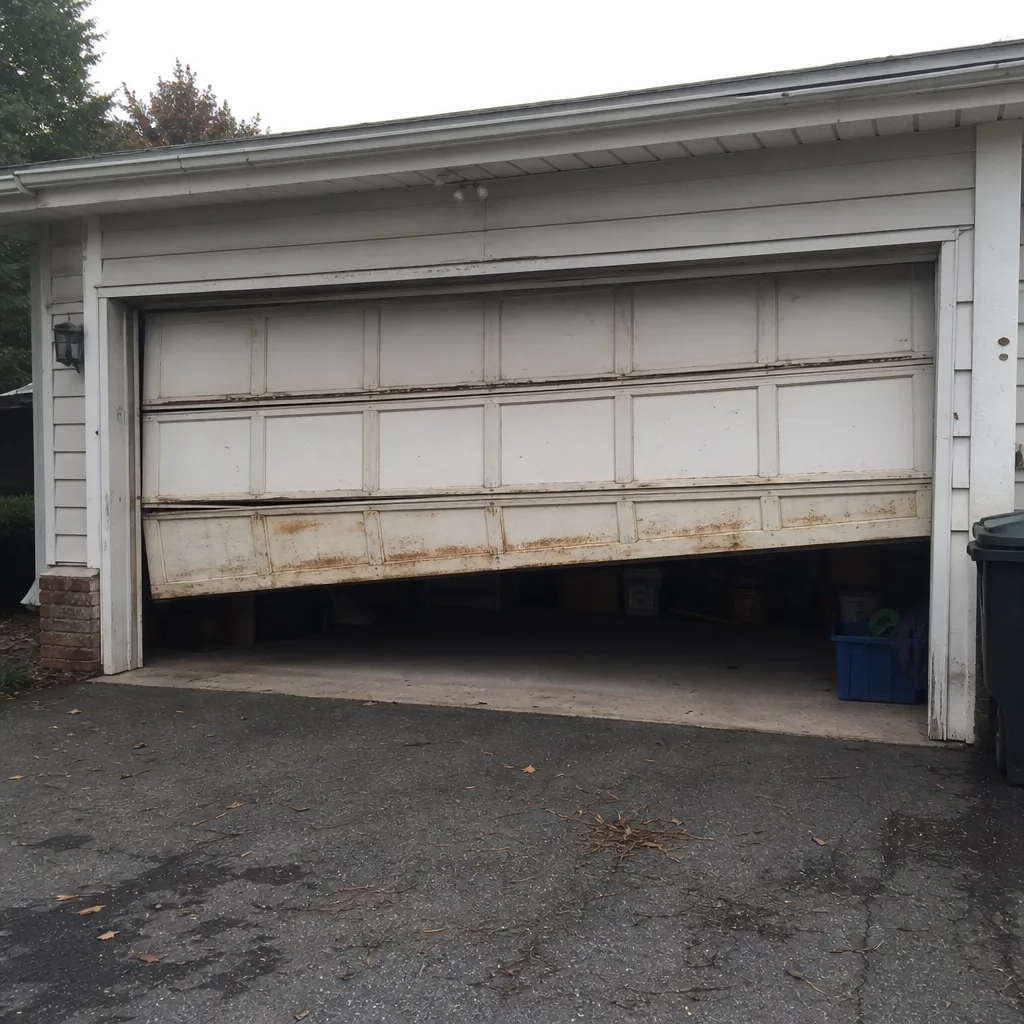 Before
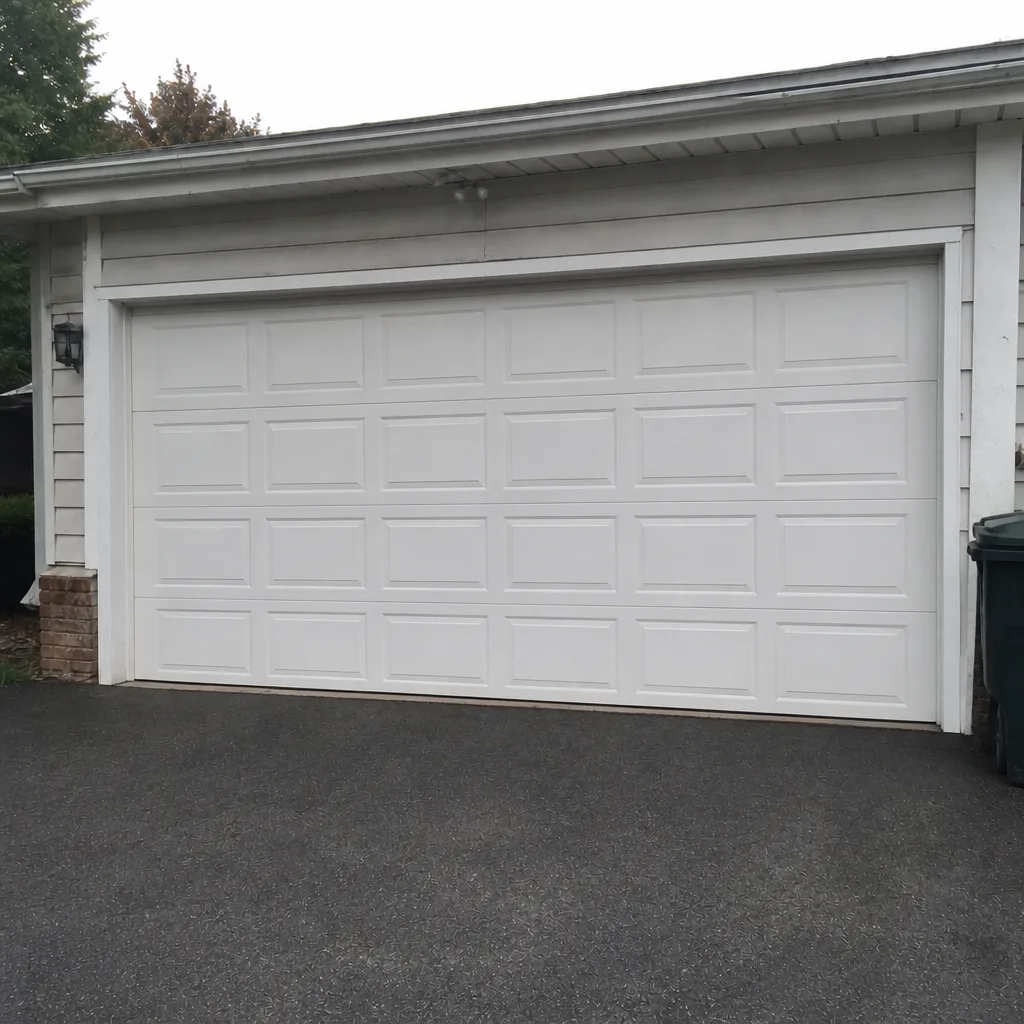 After
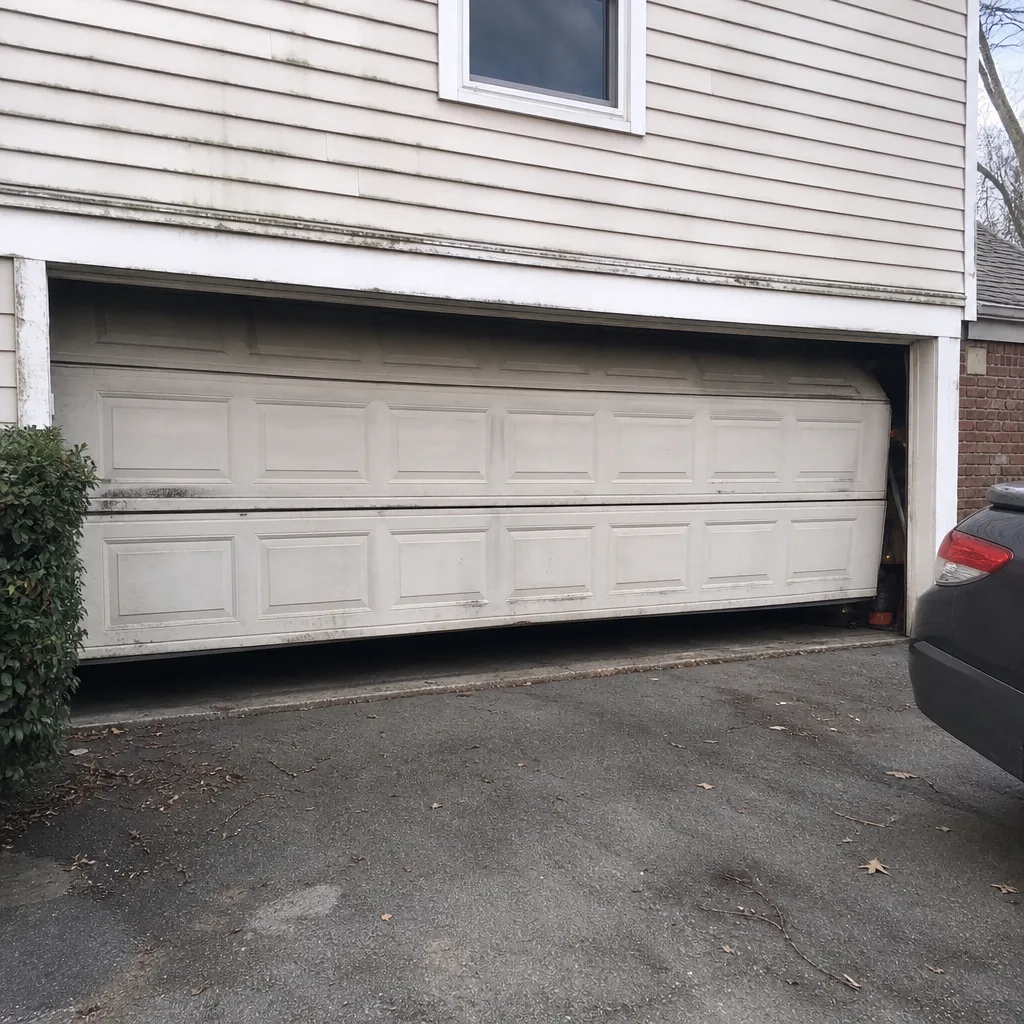 Before
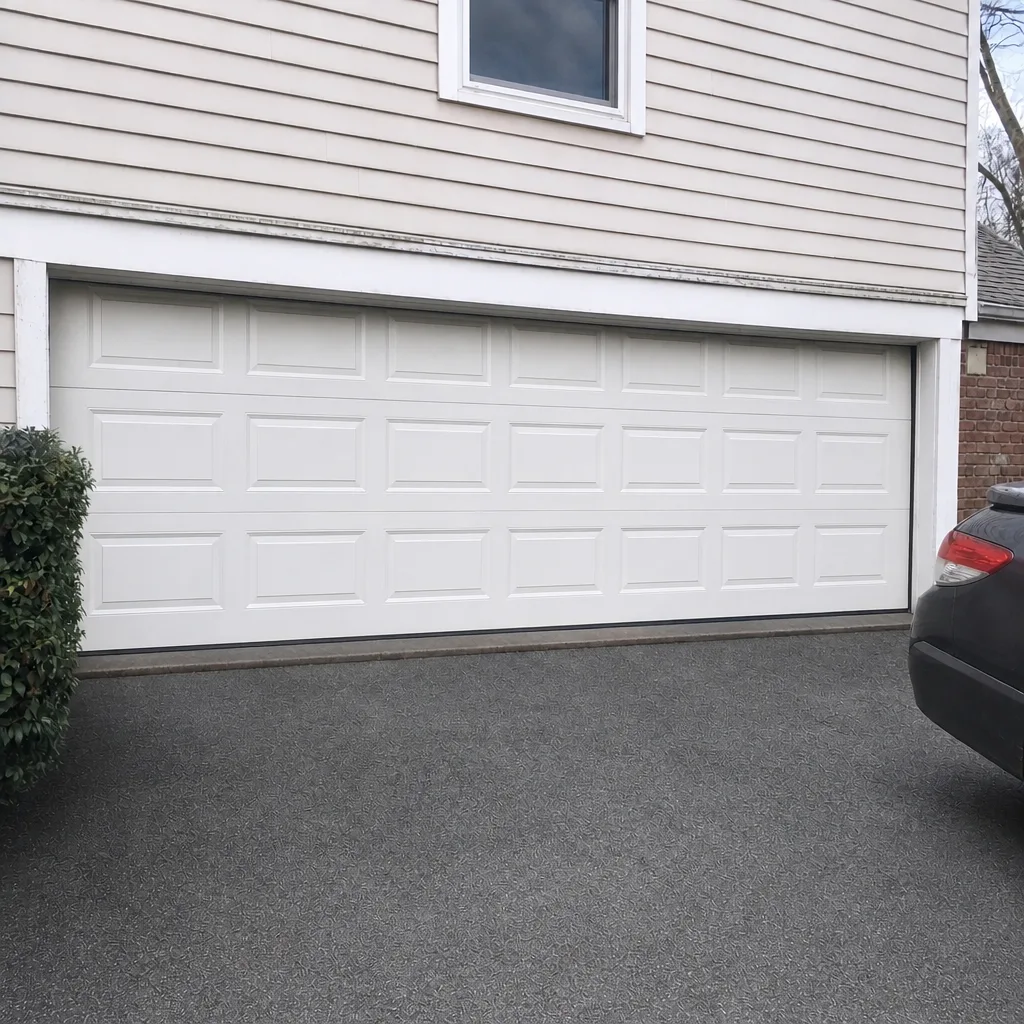 After
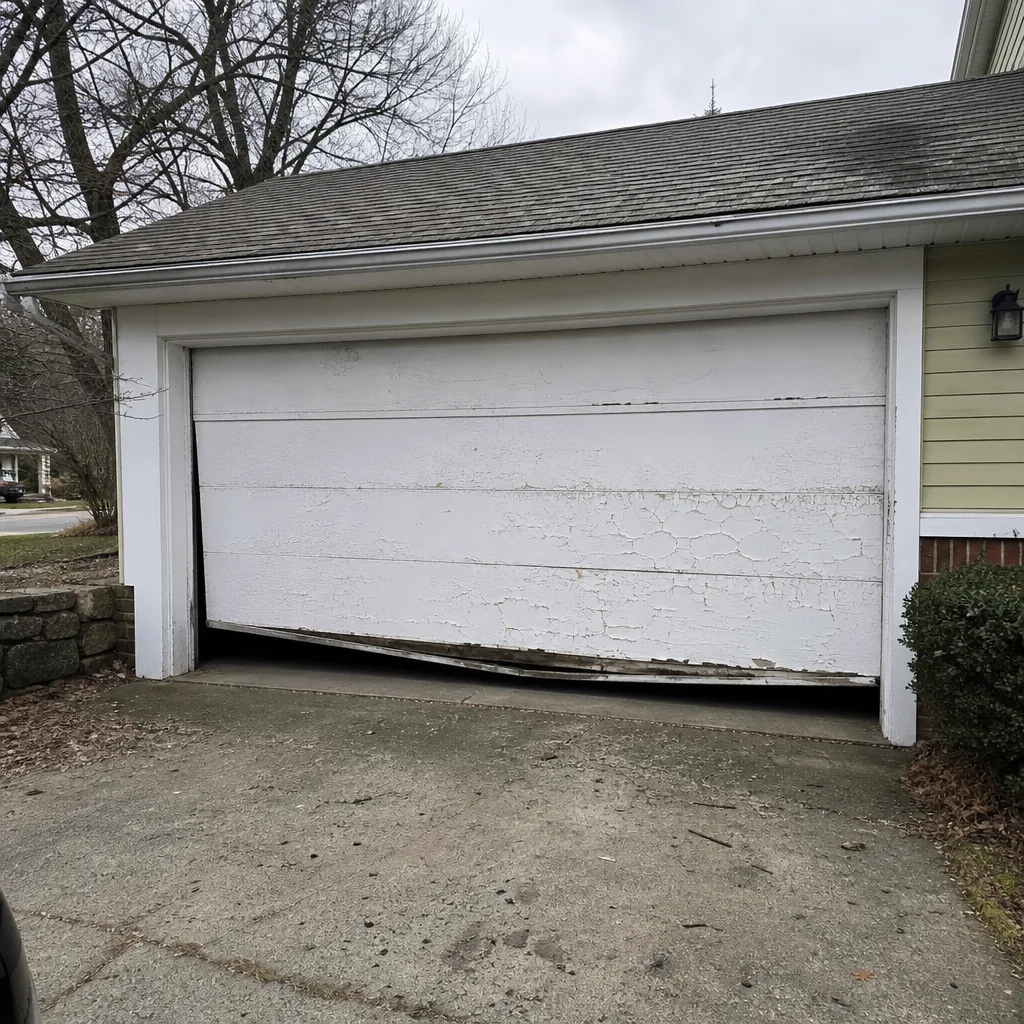 Before
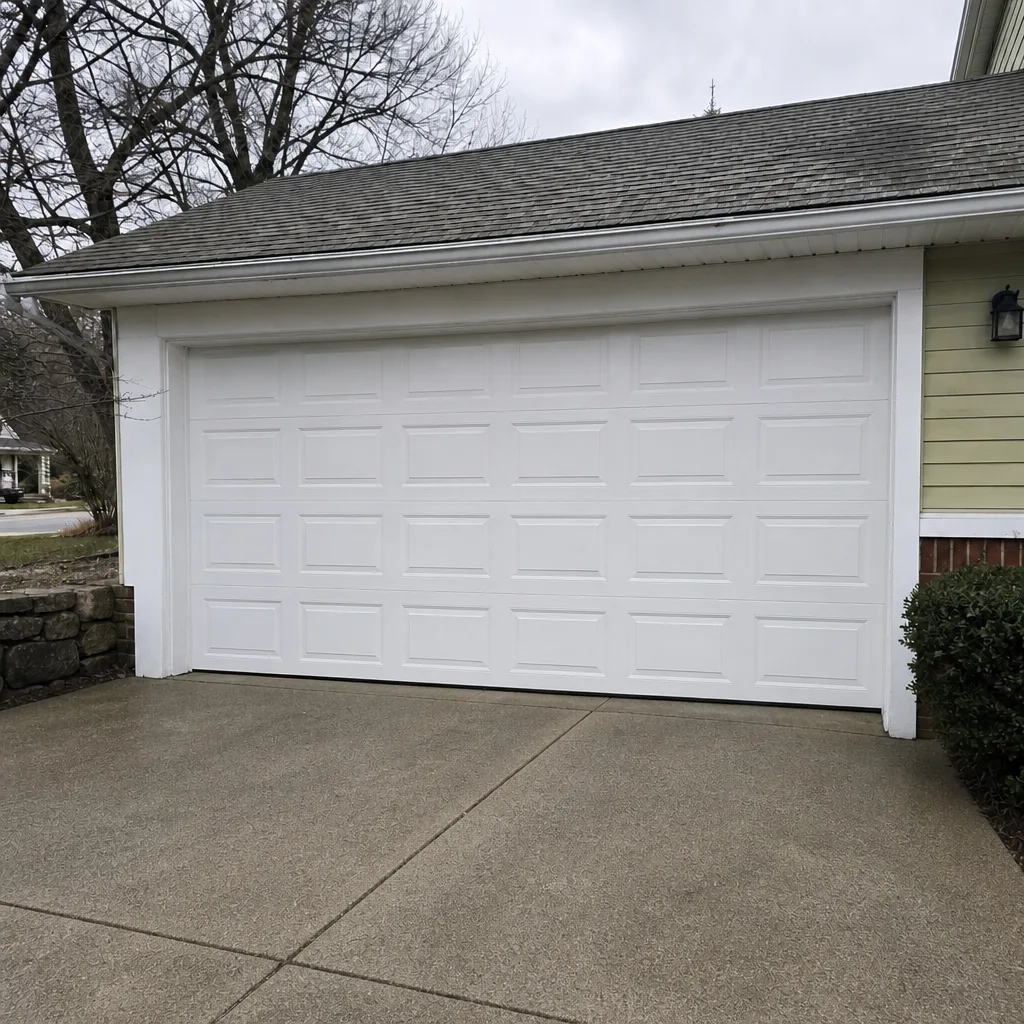 After
When to Call a Professional
Call a professional whenever springs, cables, or track alignment are involved – these are the parts that can injure someone. Call when the door won’t stay closed or opens ragged. Call when you’ve narrowed the problem down but can’t quite name the part. And call when the door is old enough that a full assessment is smarter than a repair. Newton Garage Door Repair Co offers free estimates in Newton, and we handle everything from a single cable to a full door installation. If the diagnosis points to a system-level issue, garage door installation may be the better long-term call than repeated repairs. One company covers the diagnosis, the repair, and the replacement when needed.
Frequently Asked Questions
Uneven movement – a door that hangs slightly on one side – is the most common early warning sign we see in Newton. It usually points to a cable or spring imbalance, and it tends to get worse within a couple of months if left alone. Call (877) 362-5143 for a free estimate.
If the opener motor runs but the door doesn’t move, the problem is almost always mechanical – springs, cables, or the door’s balance – not the opener. Disengage the opener and test the door by hand; if it feels heavy or binds, the opener isn’t the culprit. We confirm this before recommending any opener repair.
No. A broken spring leaves the door unsupported, and running the opener can drop the door or damage the motor. Leave the door closed and call for same-day spring service. We handle spring repair in-house because it’s a high-risk job.
Newton’s freeze-thaw cycles cause cables to stretch and springs to lose tension, which is why a door that worked fine in October can bind in January. Road salt also accelerates rust on rollers and hinges, adding to the stiffness. Winter-specific problems often ease in milder weather – but the underlying wear remains.
A snapped spring, a frayed or hanging cable, and a door that won’t stay closed all need same-day service. Grinding, reversing on contact, and partway stops are usually safe to schedule within the week. Call (877) 362-5143 and we’ll help you decide.
No. We quote the price in writing before any work starts, and the written estimate sets the final price. If we find something new during the visit, we stop and quote it before doing anything else. Emergency work isn’t priced differently – the estimate covers it. Call (877) 362-5143 for an exact quote; estimates are free.
The Bottom Line
Warning signs are only useful if they point you to the right part. A loud pop means a spring, a door that hangs means a cable, a grind means rollers or a track, and an opener that runs without moving the door means the door is the problem, not the opener. In Newton, salt, freeze-thaw, and older construction add their own wrinkles, so winter stiffness and bottom-panel rust are worth watching. Three signs need same-day attention; the rest can be scheduled. Document what you’re seeing, and call before you replace a part that isn’t broken.
Call (877) 362-5143 for a free estimate. We answer 24/7. Fast dispatch from 7am to 7pm, Sunday through Friday.
Written by the team at Newton Garage Door Repair Co.